
China-Based · ISO 9001:2015 Certified · Global Delivery
Custom Plastic Injection Molding Services Worldwide
SSP provides custom plastic injection molding services in China, from prototype validation to repeat production. We review your drawing, resin grade, critical dimensions and order volume before confirming tooling, inspection and delivery requirements.
Injection molding services: SSP supports thermoplastic parts, with related LSR, overmolding, insert molding and micro-molding capabilities reviewed for each application. Custom plastic molding starts with a moldability review of wall thickness, draft, gates and parting lines. Agree resin handling, sample approval and part inspection before a production run.
Injection Molding Services: 8-Step Production Process
Our plastic molding workflow connects your CAD file to tooling development, trial samples and production approval. Define the required part finish, assembly fits and inspection documents at the outset so quotation and sampling use the same acceptance criteria.
Design & DFM Review
Review the 3D model and drawing before injection molding services begin. Identify wall thickness, draft, undercuts, parting lines, gate positions and the faces that must remain cosmetic. Required draft depends on material, texture and geometry, so approve it feature by feature. Record agreed design changes in the drawing revision used for tooling and samples.
Mold Design & Tooling
P20, H13, or S136 steel molds CNC-machined and EDM-finished to ±0.005mm. Single-cavity, multi-cavity, family, and hot runner configurations. T1 samples delivered in 7–15 working days.
Mold Flow Simulation
Mold-flow simulation can support the injection molding services review by examining filling, weld lines and potential warpage for the proposed resin and tool layout. Confirm the inputs, material data and questions to be evaluated. Use the results to review gates, runners and cooling, then validate the selected approach with physical trial parts rather than treating a simulation as a production guarantee.
Material Selection
Select the exact resin grade against strength, stiffness, temperature, chemical exposure and appearance requirements. For injection molding services, supply the technical data sheet and identify filled grades, color, permitted regrind and any required material evidence. Thermoplastics, elastomers and liquid silicone rubber use different material and process considerations. Confirm availability, drying and handling requirements before tooling and trial planning.
Injection & Molding
Molten resin injected at 500–2,000 bar into precision-closed mold halves. Cycle times range from 5 to 120 seconds depending on part geometry, wall thickness, and material.
Cooling & Ejection
Conformal cooling channels maintain optimal mold temperature for uniform cooling rates. Parts ejected cleanly using ejector pins or stripper plates — no surface damage.
Quality Inspection
Agree dimensional, visual and functional inspection requirements before injection molding services move into production. Identify the drawing revision, datums, sample quantity and acceptance criteria, including any customer-specified sampling plan. Define how cosmetic faces, assembly fits and critical features are checked. Confirm the first-article report format and batch traceability requirements, and approve the trial results before repeat production is released.
Finishing & Global Delivery
Post-processing (painting, plating, pad printing, assembly) completed in-house. Shipped worldwide via air or sea freight. Full documentation: COC, material certs, MSDS, and packing list.
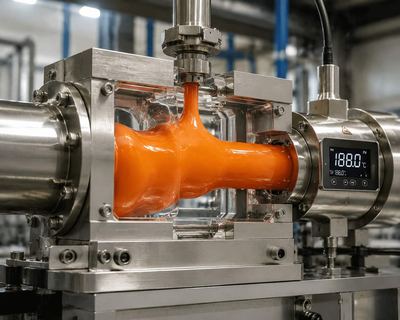
The Injection Molding Cycle — Visualized
A cross-section of every stage from raw resin pellets to finished precision parts — executed daily for global clients.
9 Types of Injection Molding We Specialize In
From commodity thermoplastics to liquid silicone and multi-shot parts — SSP Precision covers the full technical spectrum of plastic injection molding processes.
Thermoplastic Injection Molding
ABS, PC, PP, PA66, POM, PBT and 40+ more. High-volume, low cost-per-part with excellent dimensional stability. The most widely used injection molding process globally.
LSR Liquid Silicone Molding
Biocompatible, FDA-compliant LSR for medical devices, food contact components, infant products, seals, and wearables. Class VI medical grade available.
Overmolding
TPE or silicone molded over a rigid plastic or metal substrate — producing soft-touch grips, watertight seals, bi-color housings, and ergonomic tool handles.
Insert Molding
Metal threaded inserts, brass nuts, electrical contacts, and sensor probes placed directly in the mold cavity — encapsulated in plastic in a single, reliable operation.
Gas-Assisted Injection Molding
Gas-assisted molding uses injected gas to form internal hollow sections in suitable parts. Review the geometry, gas channel design, surface requirements and trial results for the application. Potential weight, appearance and cycle benefits should be evaluated on the actual component.
Two-Shot (2K) Molding
Two different materials or colors injected sequentially in the same machine cycle — producing complex multi-material parts without secondary assembly operations.
Micro Injection Molding
Micro molding supports miniature components with small features and close dimensional requirements. Submit the geometry, resin and critical dimensions for a feasibility review. Confirm the inspection method and achievable tolerances for the specific part.
Structural Foam Molding
Gas-infused polymer creates a cellular foam core with a solid skin — producing lightweight, rigid structural panels with a superior strength-to-weight ratio versus solid injection.
Thermoset Injection Molding
Epoxy, phenolic, BMC and DMC compounds permanently cross-linked under heat — producing dimensionally stable, heat-resistant, and electrically insulating housings and connectors.
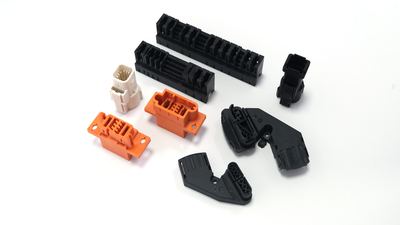
Precision Injection Molding. Global Reach.
Vertically integrated injection molding manufacturer based in Guangdong, China. In-house mold design, CNC tooling, molding, quality control, and finishing — delivering end-to-end accountability with no subcontracting. Our clients include Fortune 500 companies across North America, Europe, and Asia-Pacific.
Documented QMS across every production stage with full traceability
T1 samples in 7–15 days; production start in 2–4 weeks
Shipping to 30+ countries; full export documentation provided
100% dimensional verification on first articles; AQL sampling in production
Upfront simulation to prevent defects before steel is cut
P20/H13 hardened tooling rated for 500K–1M+ production cycles
Sustainable & Specialist Injection Molding
SSP Precision invests in environmentally responsible manufacturing alongside technically advanced molding processes — enabling clients in regulated industries to meet sustainability and compliance targets without compromising part performance.
rPET, recycled PP, rABS, PLA, and PHA biopolymers processed with zero quality compromise
FDA, USP Class VI, and ISO 10993 compliant LSR molding for regulated medical applications
Modern servo presses consume up to 60% less energy than conventional hydraulic machines
Balanced hot runner manifolds eliminate cold sprues — reducing waste by up to 100% in high-cavity tools
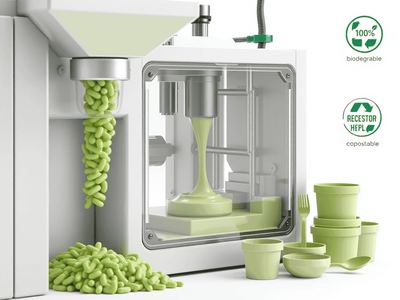
Manufacturing in China. Delivering Worldwide.
SSP Precision's strategic location in Guangdong provides world-class precision manufacturing at competitive cost, backed by a proven logistics network across six continents.
Injection Molding Materials & Tolerance Review
Comprehensive engineering resin library with dimensional accuracy to meet the tightest specifications across automotive, medical, electronics, and industrial sectors.
Standard Thermoplastics
Engineering Plastics
High-Performance Polymers
Elastomers & Flexible
Glass & Carbon-Filled
Sustainable & Bio-Based
Achievable Dimensional Tolerances
Plastic part tolerance review: Specify dimensional requirements and acceptance conditions for the selected resin and molding process. Confirm any applicable plastics-specific standard, measurement conditions and customer drawing requirements during DFM. Agree which critical features need first-article results and how production samples will be inspected.
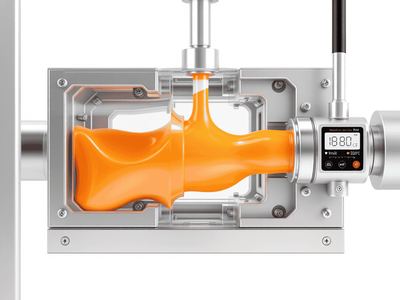
What Is Injection Molding?
Injection molding is the world's most efficient manufacturing process for producing high-volume, dimensionally consistent plastic components. Molten polymer is injected under high pressure (500–2,000 bar) into a precision-machined steel mold cavity — cooled, solidified, and ejected in cycles as fast as 5 seconds.
At SSP Precision, we've refined this technology over 15+ years, supplying mission-critical injection molded parts to clients in automotive, medical devices, consumer electronics, and industrial automation — shipping from China to 30+ countries worldwide.
Exceptional repeatability — thousands to millions of identical parts per production run
Complex geometries achievable — undercuts, internal threads, living hinges, thin walls down to 0.5mm
Low per-unit cost at scale — ideal for production runs of 1,000+ parts
Minimal material waste — hot runner systems eliminate sprues; regrind programs recycle scrap
Guangdong, China — fully integrated production, tooling & QC in one facility
Tour Our Facility25+ Surface Finishes Available In-House
From in-mold polishing and texturing to post-process coating and plating — parts delivered production-ready with the exact surface quality your application requires.
SPI Polish
A1 mirror gloss to D3 matte — 6 grades available
VDI Texture
VDI 3400 mold grain patterns (12–45)
Electroplating
Chrome, nickel, copper, gold available
Spray Painting
Custom RAL / Pantone, UV-resistant top coat
Pad Printing
Logos, text, graphics with high precision
Laser Engraving
Permanent part marking, QR, serial numbers
Anodizing
Hardcoat & color anodize for metal inserts
Heat Staking
Ultrasonic insert installation & welding
EMI Shielding
Conductive coatings for electronic housings
Assembly & Kitting
Full sub-assembly, kitting, and packaging
Beyond Injection Molding — Full Manufacturing Portfolio
Tooling, stamping dies, and precision machined components — all manufactured in-house by SSP Precision and delivered globally.
Product Category
Injection Molds
P20, H13, and S136 steel molds engineered for precision and cycle longevity. Single cavity to 64-cavity family tools with hot runner systems and conformal cooling.
Explore Injection MoldsProduct Category
Tooling Spare Parts
Ejector pins, core inserts, slides, lifters, and all mold components machined to OEM tolerances. Rapid replacement parts to minimize production downtime.
Explore Tooling PartsProduct Category
Stamping Dies
Progressive, compound, and transfer stamping dies for precision sheet metal. Automotive, electronics, and appliance-grade tooling with multi-million stroke service life.
Explore Stamping DiesProduct Category
Precision Machine Parts
CNC-machined shafts, gears, brackets, and housings in steel, aluminum, titanium, and specialty alloys. Multi-axis turning and milling to ±0.002mm.
Explore Machine PartsInjection Molding Services Questions Answered
Technical and commercial questions we hear most often from engineers, product managers, and procurement teams worldwide.
The order quantity for injection molding services is reviewed with part size, resin, cavity count and the tooling investment. This page lists standard production orders from 1,000 pieces and smaller prototype programs from 100–500 pieces; confirm the applicable quantity in your quotation. Share your first order, annual demand and expected repeat schedule. Separating trial samples from production batches helps compare tooling cost and unit pricing. Also state whether you need bulk-packed parts, individually protected cosmetic components or assembled items.
The schedule for injection molding services depends on drawing approval, resin availability, tool complexity and the number of sampling or correction rounds. SSP's indicative tooling figures on this page are 7–15 working days for simpler tools and several weeks for more complex configurations; request a project-specific schedule. Agree milestones for DFM approval, tool manufacture, first samples, inspection and production release. Distinguish tool completion from approved-part delivery, and include transport time. A change to the drawing, finish or resin may require another review and trial.
Agree plastic part tolerances from the drawing, resin grade and molding process rather than applying one machining figure to every feature. Shrinkage, cooling, geometry and warpage can affect the finished dimensions. ISO 20457 covers tolerances and acceptance conditions for plastic molded parts; confirm the applicable requirements and edition with your project. Identify assembly-critical dimensions, datums, measurement conditions and inspection quantities during the injection molding services review. Tool machining accuracy and molded-part capability are different measures. Approve trial parts against the agreed criteria before production release.
State the required documents when requesting injection molding services. These may include a certificate of conformance, resin grade and lot identification, supplier material information, safety data sheets, dimensional reports and shipment records. Agree which items are supplied as standard and which require separate testing. For a regulated or restricted-material application, identify the intended use, destination market and exact evidence required. A resin supplier's declaration does not automatically establish approval of the finished molded part. Confirm testing responsibility, sample preparation, report scope and cost before tooling or production begins.
Submit the exact PEEK, PEI, PPS, PSU or LCP grade and the intended application for a processing review. Injection molding services for engineering plastics depend on resin-specific drying, processing temperatures, mold temperature, geometry and equipment compatibility. Include supplier technical data and identify filled grades, critical dimensions and finishing needs. Agree the tooling configuration and trial plan before committing to production. Material selection should be based on your mechanical, thermal and chemical requirements; any application approval or performance test must be scoped separately.
SSP's stated policy is that the customer owns paid-for tooling. Confirm ownership, payment milestones, storage, maintenance and transfer terms in the written agreement before injection molding services begin. Specify whether the mold stays at SSP for repeat production or will be delivered to another factory. Agree what is included in the handover: tool drawings, spare parts, maintenance instructions, trial records and any proprietary components. If a transfer is planned, check press interfaces, utilities, handling and packing requirements so the receiving team can review compatibility.
Ready to Start Your Injection Molding Project?
Upload your 3D CAD files and receive a detailed quote — including DFM feedback, material recommendations, and lead time — within 24 hours. We serve every industry, on every continent.