







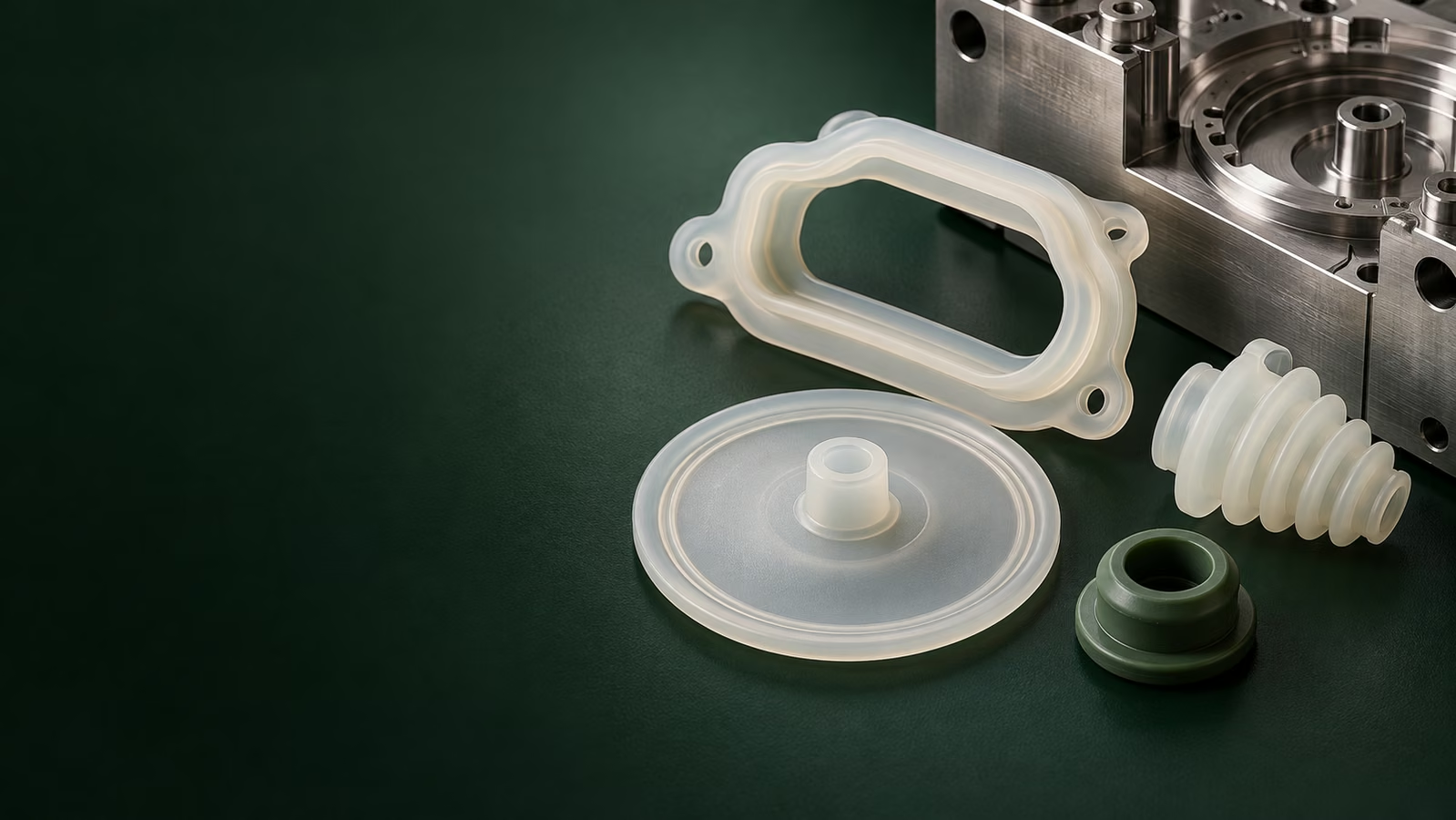
Liquid silicone rubber molding
Custom silicone seals, diaphragms, grommets and flexible components, developed around your drawing and working conditions.
Material, tooling and part approval in one manufacturing discussion. Share your grade, hardness, critical dimensions and production demand.
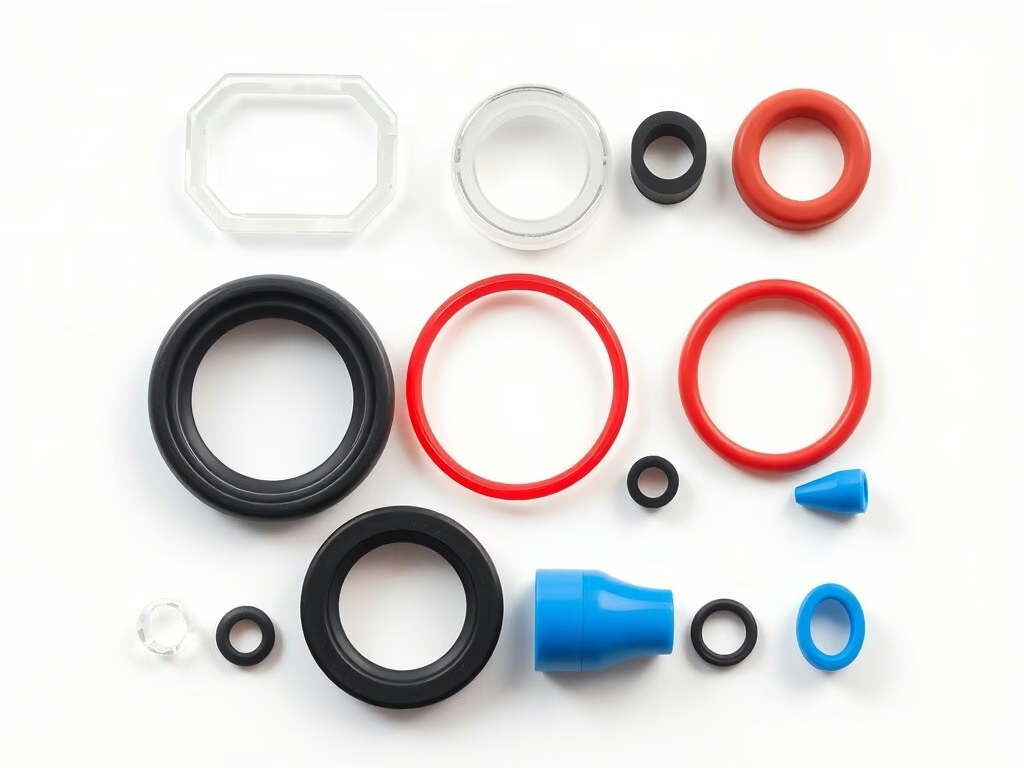
Flexible material. Defined performance.
Liquid silicone rubber is a two-component elastomer processed by metering and mixing the material before injection into a heated mold. The silicone cures into an elastic part; its final behavior depends on the grade, geometry and process.
For custom liquid silicone rubber parts, SSP supports the route from part review and tooling to samples and repeat supply. Start with the sealing, movement or interface requirement, then define the material, acceptance checks and delivery scope together.
Liquid silicone rubber molding services
A clear manufacturing scope connects the part drawing to the finished assembly. Review the flexible feature and its mating components before selecting the tooling route.
Custom silicone seals and gaskets
Review sealing profiles, compression, contact surfaces and where parting lines or flash can be accepted. Match the material to temperature, media and the assembly conditions.
Diaphragms, valves and flexible details
Define movement, opening behavior, thin sections and tear-sensitive transitions. Include the functional test conditions alongside dimensional requirements.
Insert molding and bonded interfaces
Discuss silicone around metal or compatible substrates. Review insert location, mechanical retention, material bonding and the surfaces that must remain exposed.
Tooling, sampling and repeat orders
Connect mold design, trial parts and inspection to an approved drawing revision. Agree finishing, identification and protective packing before production release.
Silicone components with a clear purpose
Illustrative product examples, including generated images. Each part is manufactured to an agreed drawing and specification; these are not stock items or verified customer projects.
Seals and custom gaskets
Profiles for enclosure, connector and fluid-system interfaces.
Compression, sealing surface and flash limits
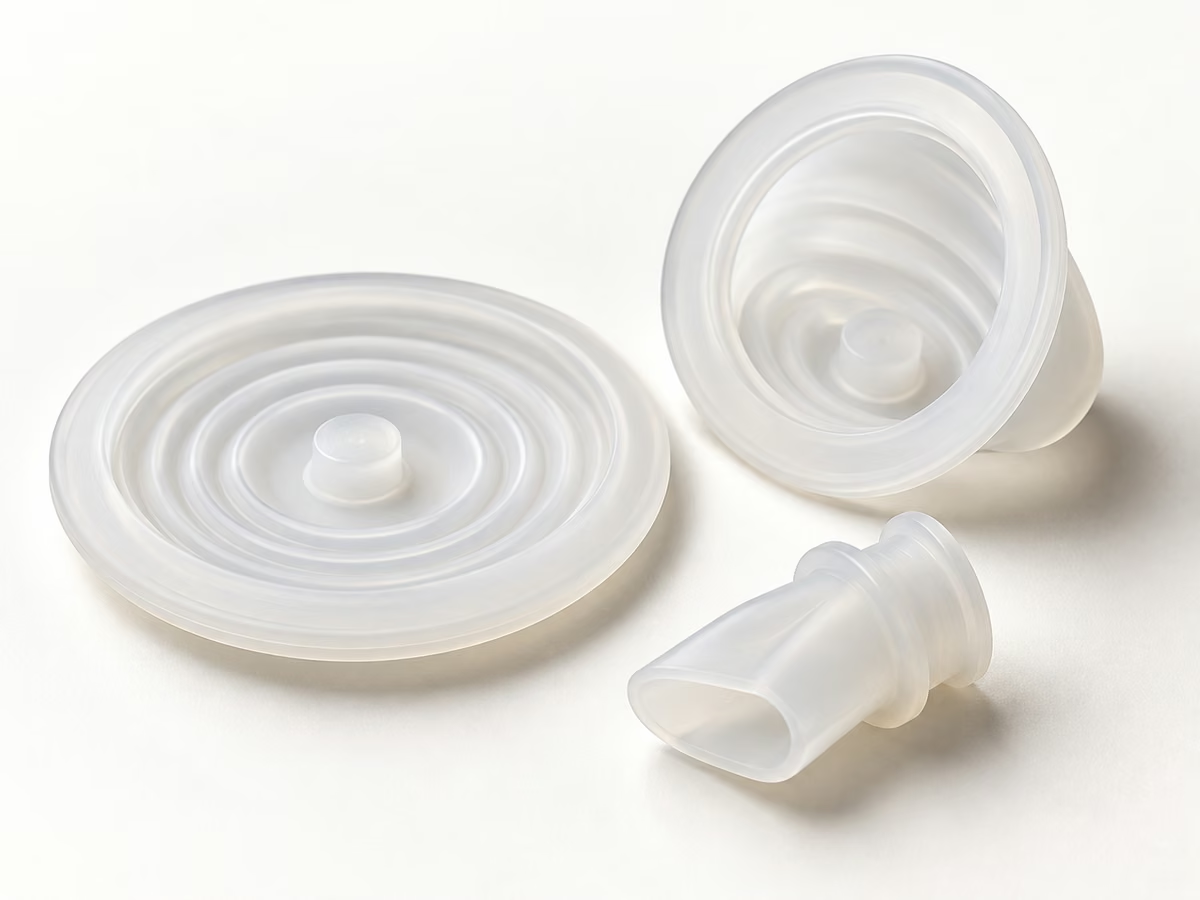
Diaphragms and valve components
Flexible membranes and small elements that move or regulate flow.
Thin sections, travel and functional response
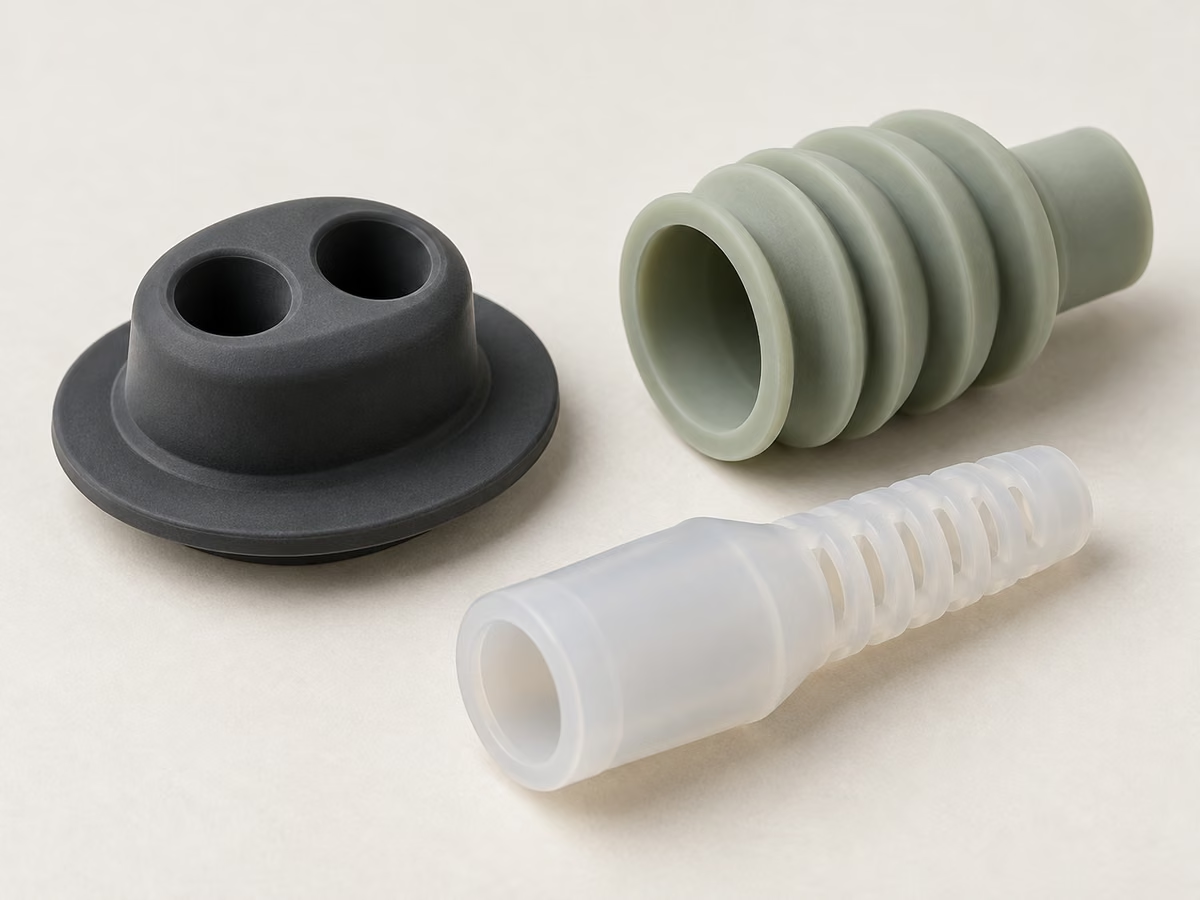
Grommets, bellows and protective boots
Flexible interfaces for cables, connectors and moving assemblies.
Retention, flexing and assembly fit
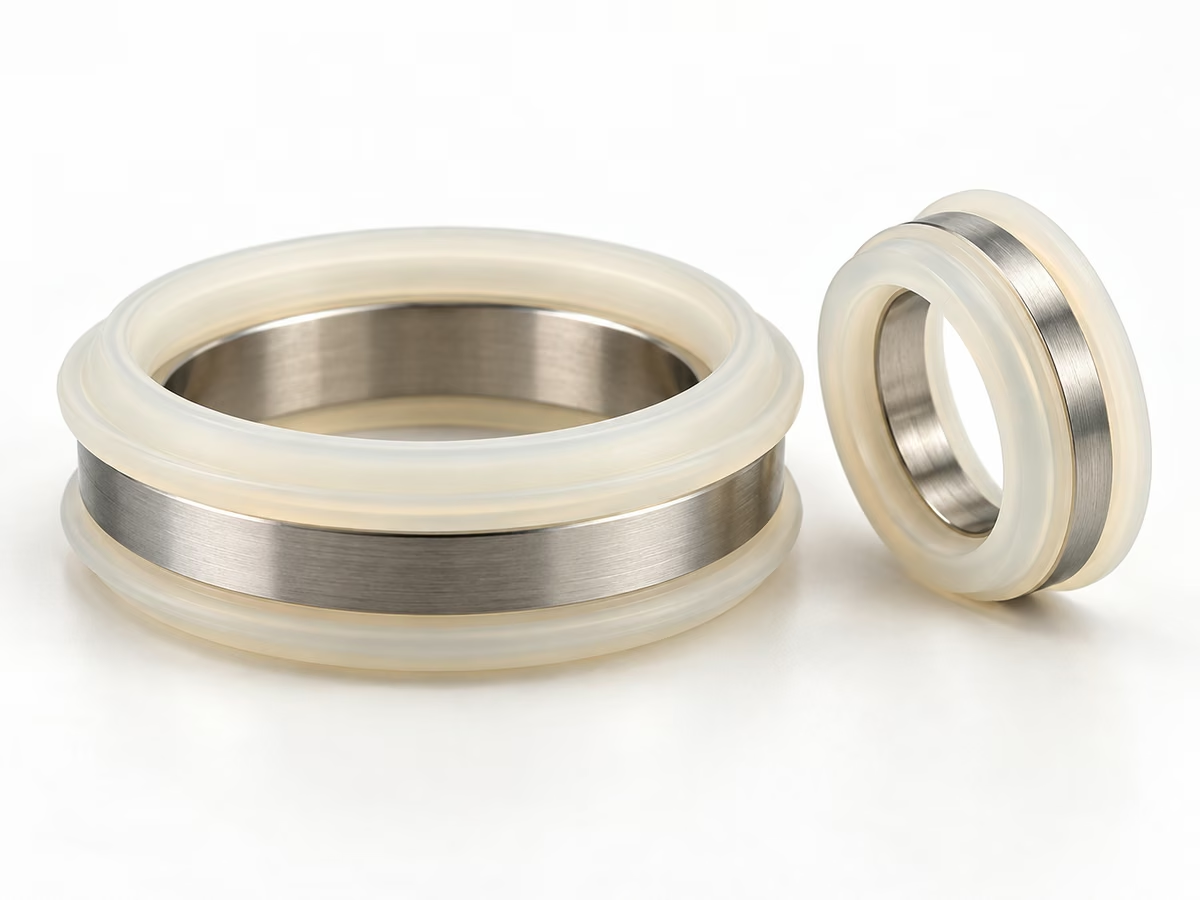
Insert-molded silicone assemblies
Silicone sealing or protection features combined with a carrier or insert.
Insert position, retention and bond requirements
From silicone specification to repeat supply
A connected manufacturing process with clear review points. Keep material, tooling and acceptance requirements linked from drawing to delivery. Equipment and product images include illustrations.
Define function and drawing
Share the CAD model, drawing revision, mating part and service conditions. Identify sealing faces, movement, critical dimensions and expected order quantities.
Agreed application and supply scopeReview grade, DFM and tooling
Select the exact silicone grade and hardness. Review parting lines, venting, gates, wall transitions, shrinkage assumptions and the release of flexible features.
Material and tooling requirements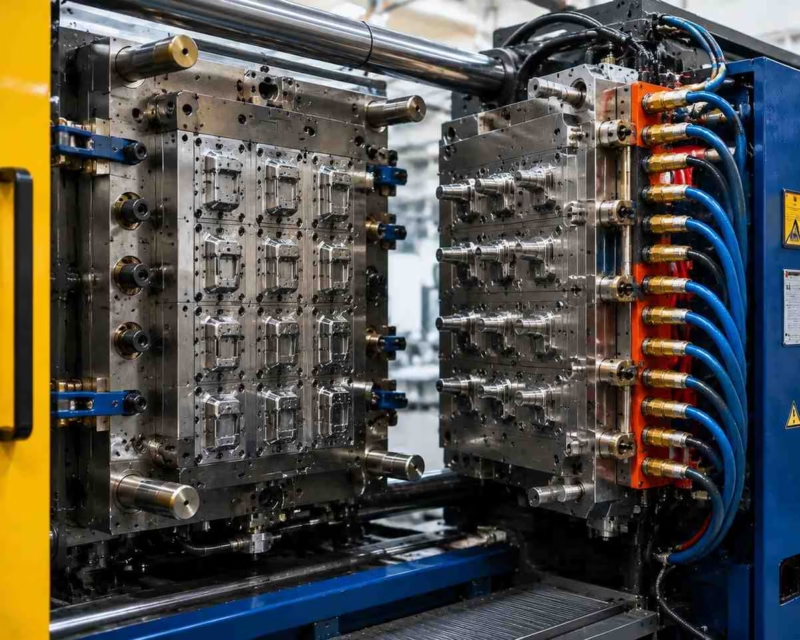
Meter and mix the components
LSR uses a controlled two-component supply. The metering and mixing arrangement follows the selected material system, with handling planned to avoid contamination and premature cure.
Controlled material preparation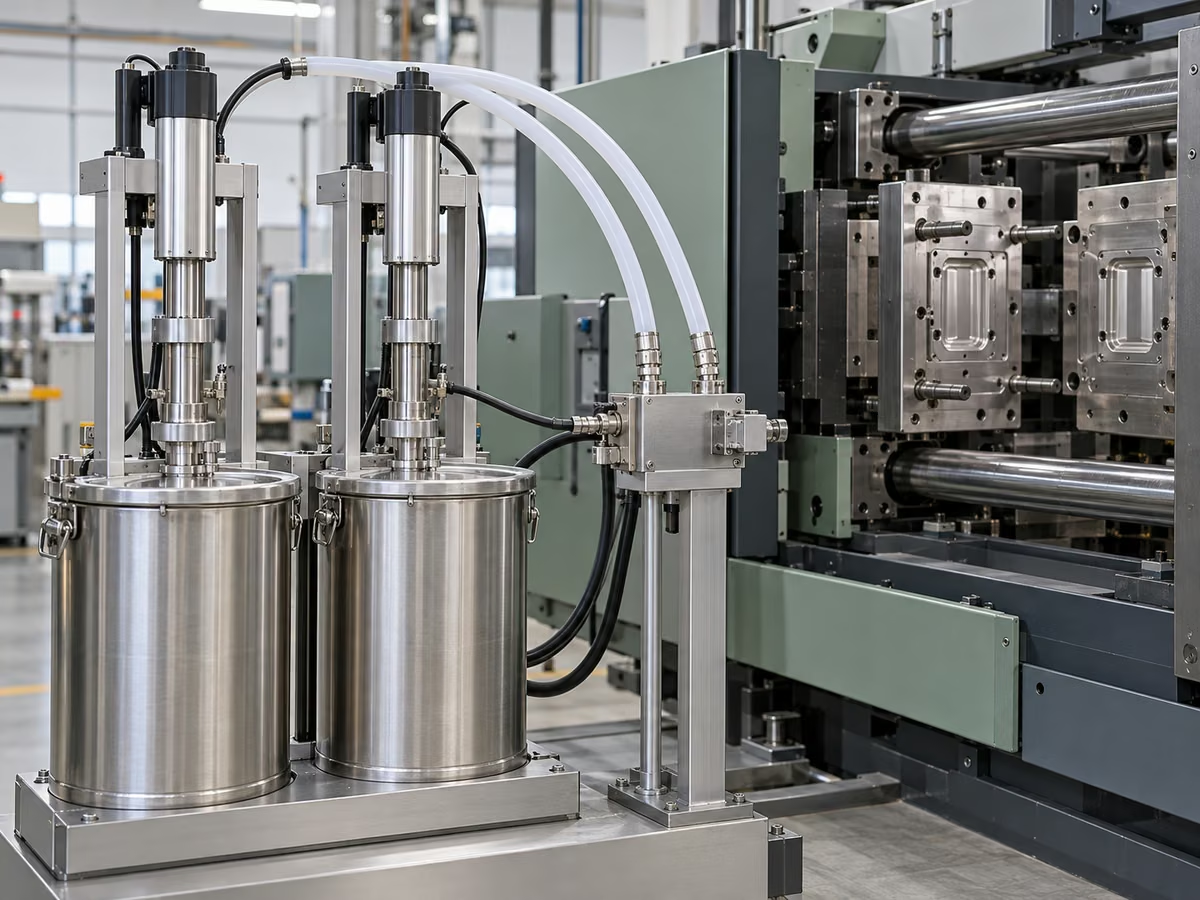
Inject, cure and release
The mixed silicone enters heated mold cavities and cures. Trial work reviews filling, flash, cure conditions and removal without damage to thin sections or sealing lips.
Trial samples and correction recordInspect dimensions and function
Agree measurement support for flexible parts, hardness checks and the relevant sealing, actuation or assembly test. Link acceptance to the approved sample and drawing.
Approved inspection baseline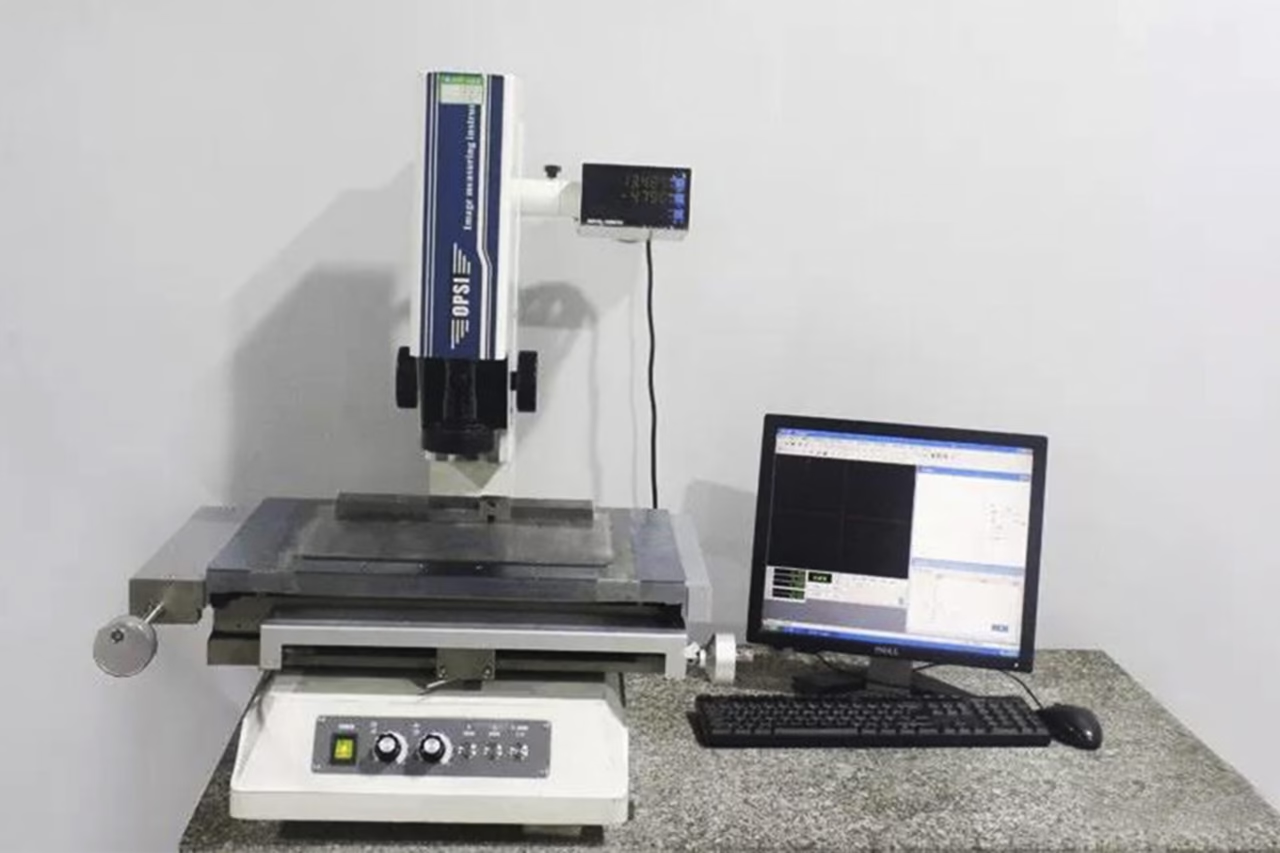
Finish, pack and supply
Define trimming, cleaning and any grade-specific post-curing or secondary work. Confirm lot identification, packing, required documents and delivery terms with the order.
Repeat supply to agreed requirementsDesign the seal around its working condition
A silicone part can look correct and still miss its function. Bring the mating geometry and test method into the engineering review.
Compression and contact
Define the assembled gap, contact surfaces and allowed deformation instead of choosing hardness in isolation.
Flash and parting lines
Mark the faces that seal, move or contact the user. Specify acceptable witness lines and flash at those locations.
Thin sections and transitions
Review membranes, lips and ribs with the removal method in mind. Avoid treating every feature as a rigid plastic wall.
Material and environment
Include media, temperature, cleaning agents and exposure duration. Confirm performance against the exact grade and finished-part test.
Specify the grade, not only the word silicone
Hardness is one decision. Tear behavior, compression set, appearance, processing and application evidence also influence the appropriate LSR grade.
| Material route | Typical discussion | Define in the RFQ |
|---|---|---|
| General engineering LSR | Flexible seals, grommets and functional parts | Exact grade, hardness, color, media and operating conditions. |
| Application-specific grades | Food-contact, healthcare, optical or electrical uses | Required material documentation and the finished-part verification scope. |
| Bonding and specialist grades | Insert interfaces or additional functional properties | Substrate, surface preparation, bond or retention test and supplier processing guidance. |
Approve the part in the way it will be used
Inspection should connect the drawing to the working assembly. Define both dimensional acceptance and the functional checks that matter to your project.
Dimensional inspection
Agree datums, fixtures, conditioning and a method that avoids distorting flexible features.
Material and appearance
Specify grade, hardness, color, visible surfaces and acceptable parting or gate marks.
Functional verification
Define sealing pressure, movement, retention or other acceptance conditions where required.
Production records
Agree sample approval, material identification, change control and documents needed at delivery.
Different applications. Different acceptance criteria.
Tell us what the silicone component must do, not only which industry it belongs to.
Industrial and fluid systems
Seals, diaphragms and flexible interfaces.
Media, compression, sealing conditions and service life expectations.
Electronics and connected products
Grommets, connector seals and protective boots.
Cable dimensions, assembly fit, electrical needs and any ingress test for the finished assembly.
Healthcare and consumer products
Soft interfaces, membranes and contact components.
Contact type, cleaning or sterilization requirements and the specific evidence needed for the application.
Tooling and manufacturing around the silicone part
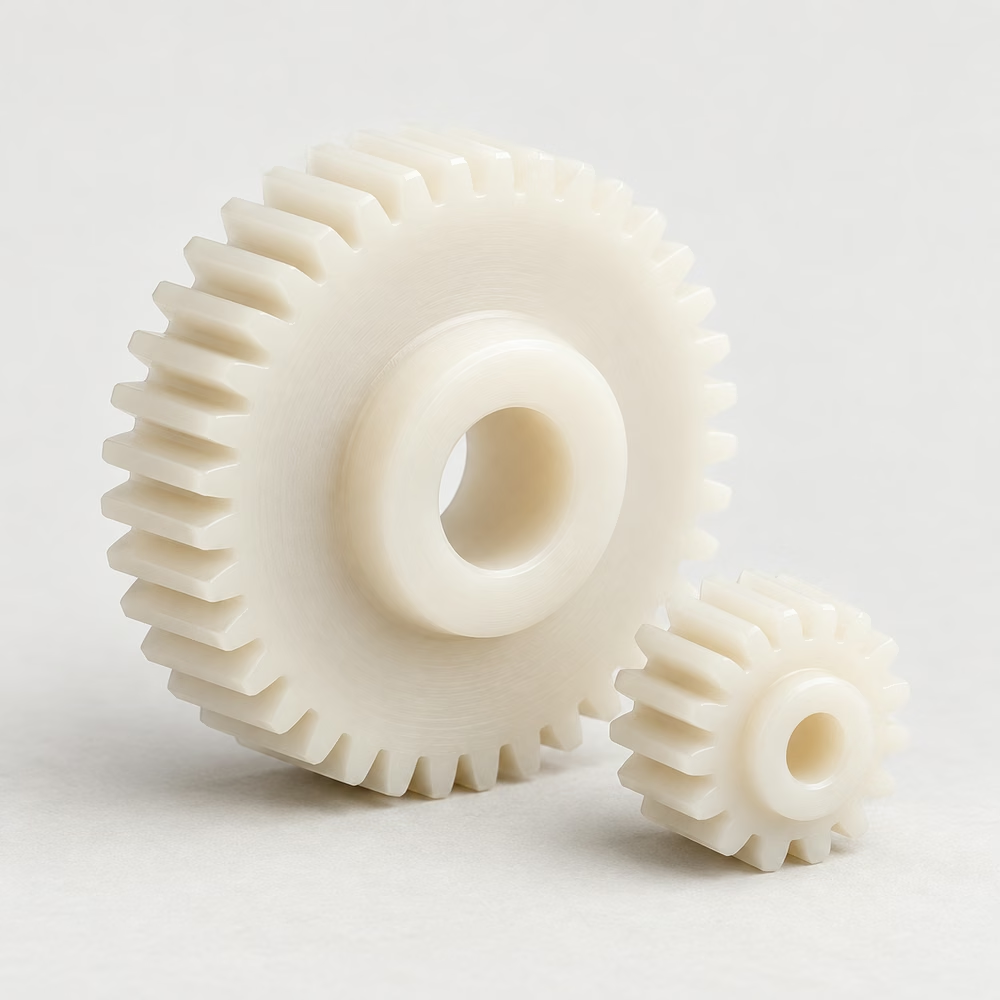
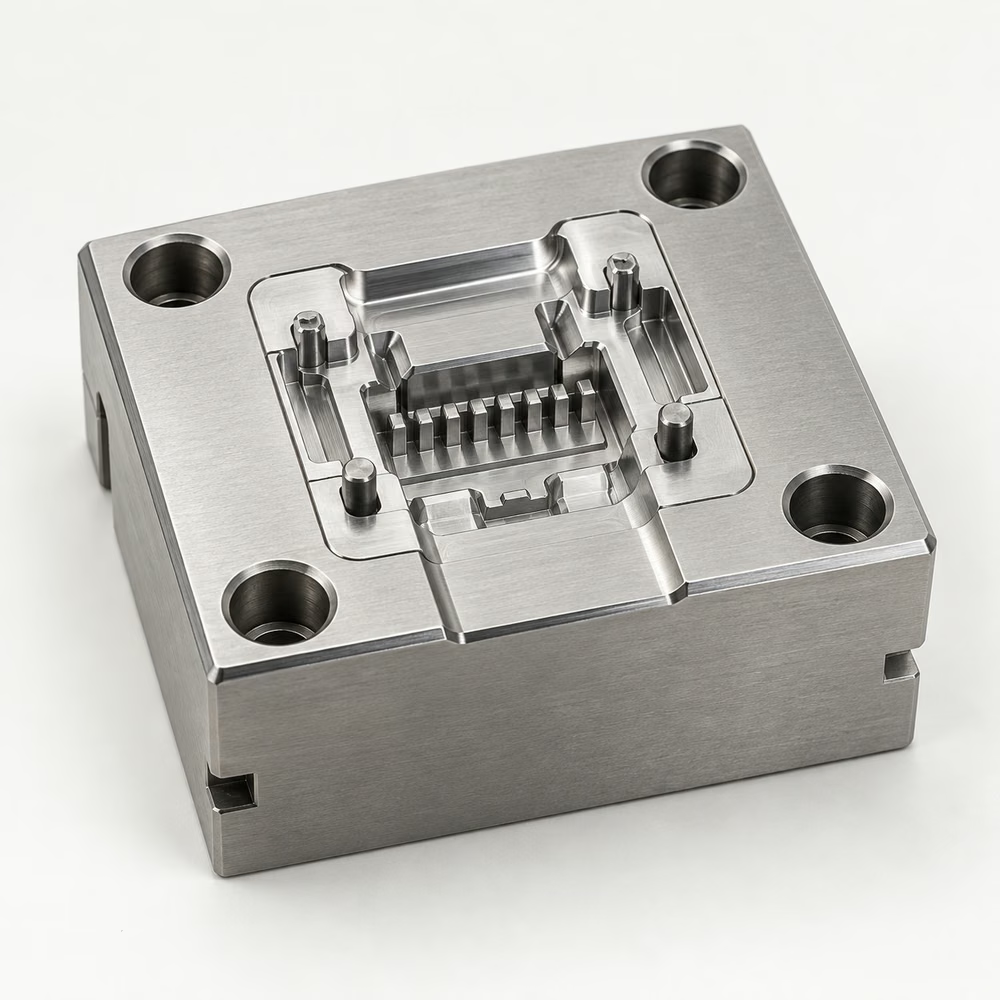
Connect the LSR component to its mold, inserts and any rigid plastic parts in the assembly.
Before you request an LSR molding quote
What information helps you evaluate an LSR part?
Send CAD, the drawing revision, intended function, material grade if known, hardness, mating parts and quantities. Include critical dimensions, test conditions, finishing and packing requirements.
How does LSR differ from thermoplastic injection molding?
LSR is mixed as a liquid material system and cures in a heated mold to form an elastomer. Thermoplastics are melted and then cooled to form the part. Material selection and tooling must reflect the intended process.
Can silicone be molded around an insert?
Submit the insert and assembly drawings for review. Bonding depends on material compatibility and process; mechanical retention, exposed surfaces and the acceptance test should be defined explicitly.
Does every LSR component need post-curing?
No universal rule applies. The chosen grade, supplier processing guidance and application requirements determine whether post-curing or other secondary work is needed.
Can you support medical or food-contact requirements?
Provide the exact application and documentation requirements for review. The selected grade and finished component need the agreed evidence; a generic silicone description does not establish suitability.
How are tooling, samples and production quoted?
Define tooling, trials, sample approval, molded parts and secondary work separately. Lead time, order quantity, ownership and delivery terms are confirmed against the agreed scope.
Bring the drawing. Define the working conditions.
Discuss a complete LSR manufacturing scope with SSP, from material and mold review to approved parts and repeat supply.
- CAD, drawing revision and mating parts
- Silicone grade, hardness and color
- Sealing, movement and critical dimensions
- Samples, annual demand and delivery needs