







Serial production of
precision parts
Serial production of precision products starts with an approved drawing and a repeatable process. SSP brings machining, stamping and molding together for your metal and plastic parts.
CNC machining · Metal stamping · Injection molding
Services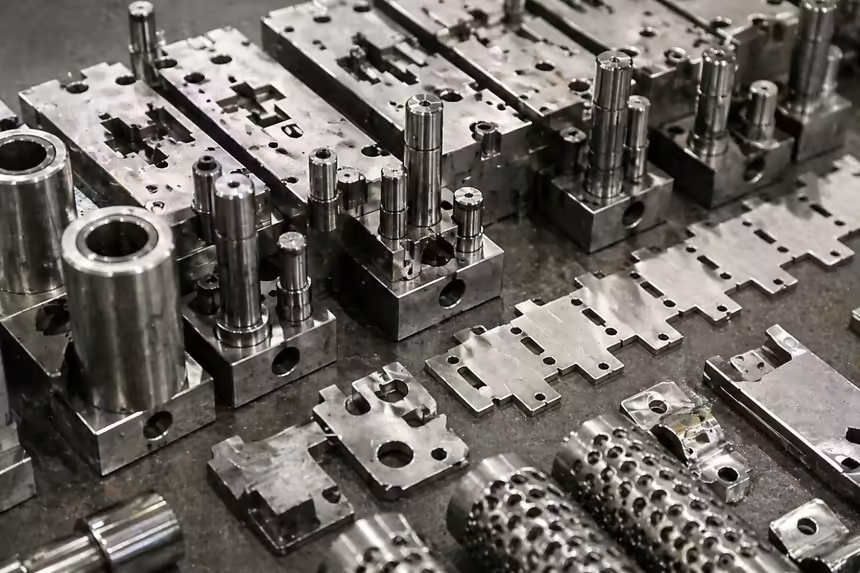 Metal stamping
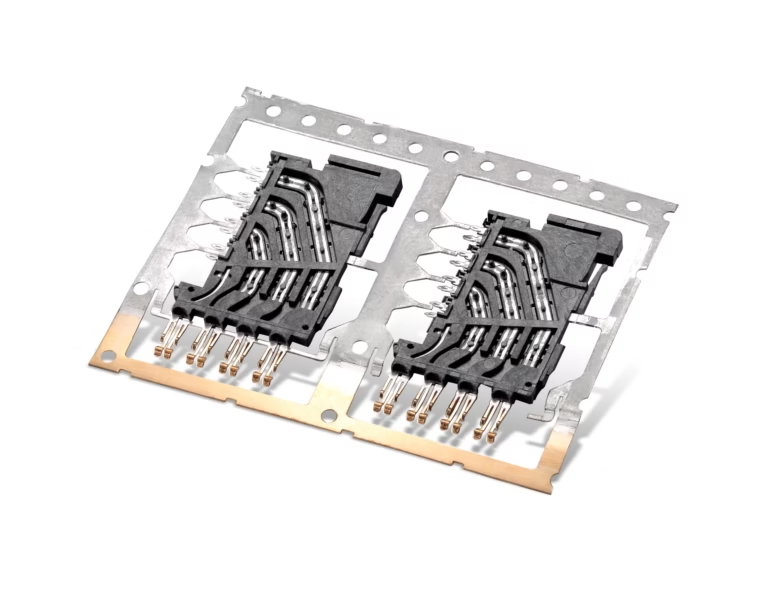
Terminals, contacts and formed strips
Drawing-led production
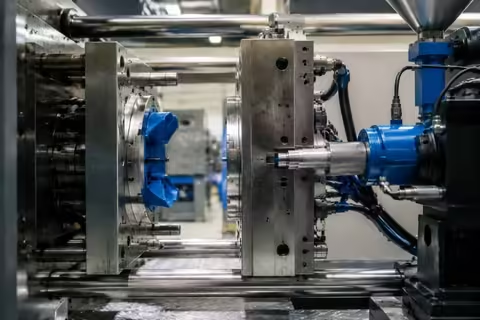 Injection molding
Metal and plastic in one component
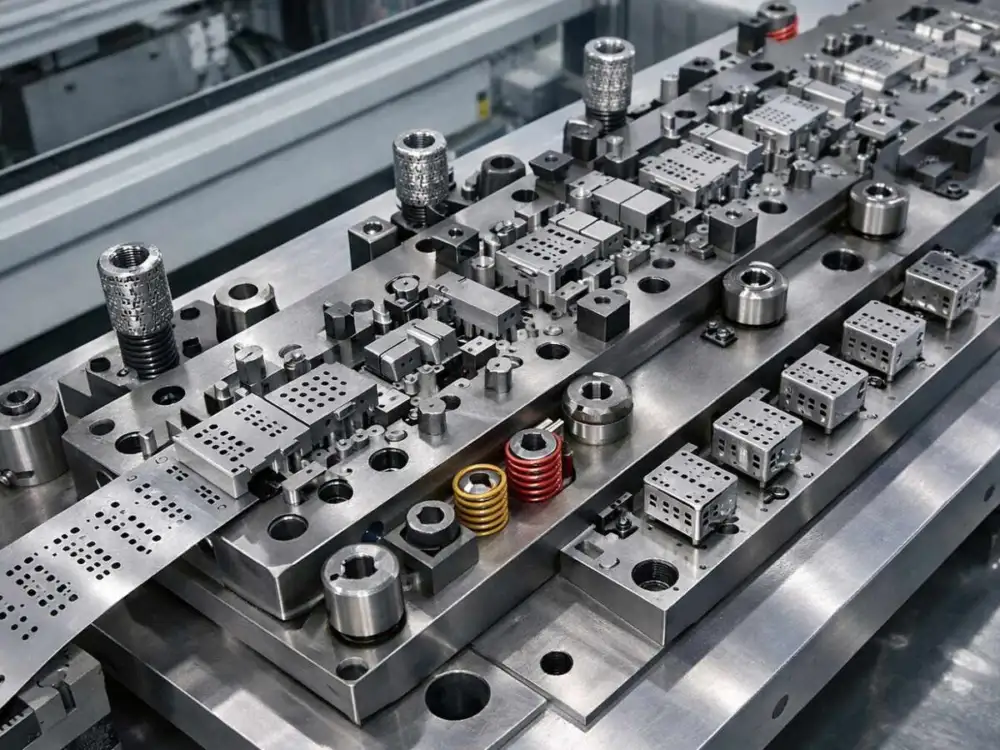 See SSP manufacturing capabilities
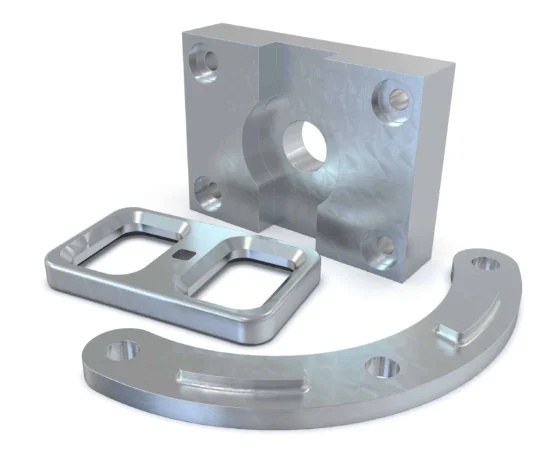
Tooling and components for repeat production.
Manufacturing services for serial production
Precision component manufacturing works best when material, geometry and order quantity are considered together. First, review the functional requirements. Then compare tooling investment with the cost of repeat batches.
CNC machining
For turned and milled features, small production batches and components that need controlled fits. Confirm datums, tool access and finishing requirements before manufacture.
Explore CNC machining ↗Metal stamping
For repeat sheet-metal profiles, contacts and formed components. Tooling strategy depends on material thickness, part geometry, expected volume and strip layout.
Explore stamping dies ↗Injection molding
For repeat plastic parts and insert-molded assemblies. Review resin grade, shrinkage, wall sections, insert location and cosmetic surfaces before committing to tooling.
Explore injection molding ↗Tolerances
Define critical-to-quality features and datum references. Achievable tolerances are confirmed for each part; there is no single tolerance for every process.
Production expertise by component
In serial production, the part determines the route, from forming metal to molding assemblies. These examples show the product families supported by SSP; your specification defines the final result.
 Insert-molded assemblies
 Copper busbars
Your next serial production run starts with a drawing.
Share your part, quantity and inspection requirements. SSP will review the production route and the information needed for a useful quotation.
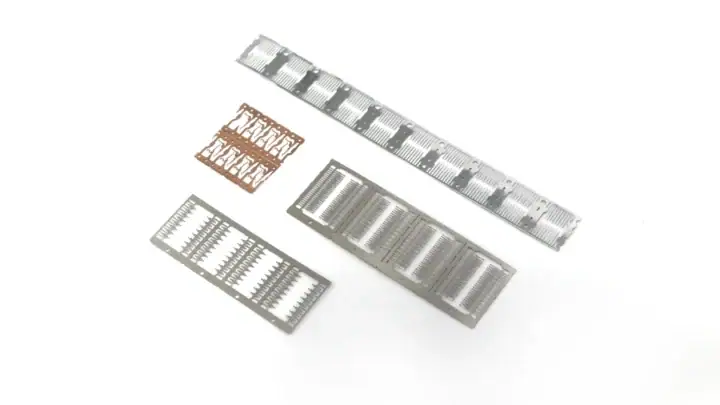
Discuss your drawingsStamped metal components
Used where repeated metal geometry and a clear edge or contact requirement matter. Define strip condition, burr direction and the surfaces important to the finished assembly.
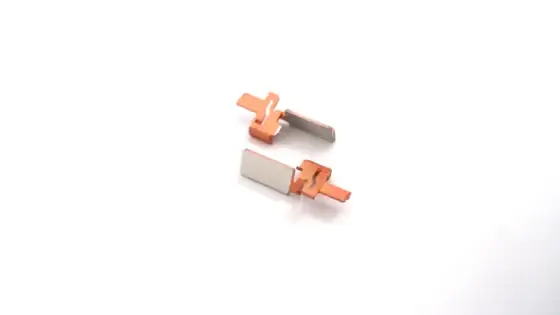
Stamped metal componentsInsert-molded assemblies
Provide insert position, retention requirements, resin grade and the surfaces that must remain exposed. Sample approval should cover the assembled component as well as its individual materials.
Insert-molded assembliesCNC machined parts
Identify the mating features, datums, threaded holes and any surface finish that influences assembly. Discuss whether the quoted dimensions apply before or after the specified surface treatment.
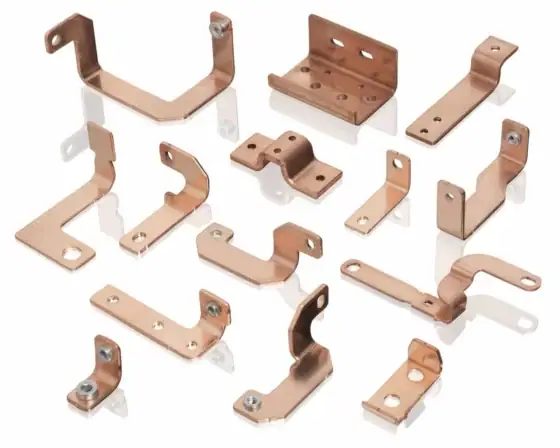
CNC machined partsCopper busbars
Specify material grade, thickness, bend geometry and any coating or contact-surface requirements. Electrical performance requirements need to be stated in the drawing or purchasing specification.
Copper busbars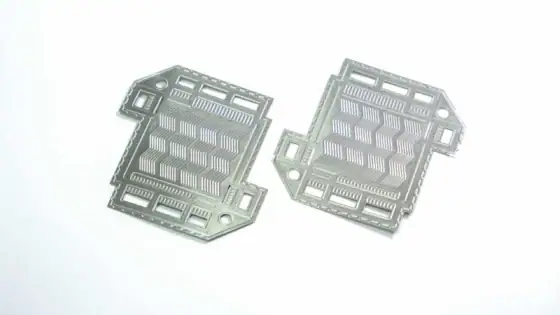
Thin formed plates
Share the complete geometry and acceptance criteria for formed areas, openings and flatness where relevant. Confirm the intended production process after reviewing the drawing for serial production.
Thin formed platesMetal stamping
For repeat sheet-metal profiles, contacts and formed components. Tooling strategy depends on material thickness, part geometry, expected volume and strip layout.
Metal stampingTooling and components for repeat production.
Seven steps from drawing approval to repeat delivery
Use this sequence to plan serial production before a launch or supplier transfer. Approval points make responsibilities clear and help prevent drawing revisions, tooling changes or inspection expectations from being missed.
Review the drawing
Share the current 2D drawing, 3D model, annual demand and target delivery schedule. Identify the controlling revision.
Send the part number, revision, 2D drawing and 3D file, where available.
Confirm the process
Review material, critical features and design for manufacture. Agree the proposed route, tooling scope and quotation assumptions.
Datum scheme, critical fits, burr limits and the surfaces that must be protected during handling.
Prepare tooling
Plan fixtures, dies or molds for serial production. Confirm ownership, maintenance responsibilities and any dedicated gauges.
Thickness, grain or rolling-direction requirements where relevant, springback review, edge condition and sample approval.
Approve the sample
Check first articles against the drawing and agreed measurement plan. Resolve deviations before releasing the first serial production batch.
Agree sample approval, inspection reports, traceability and packaging needs.
Run the batch
For serial production, manufacture to the approved revision and work instructions. Define checks at setup and during production.
Resin grade, wall sections, shrinkage review, visible surfaces and the position of inserts or parting lines.
Inspect and document
Verify the agreed dimensions, appearance and records. Link the inspection results to the relevant production batch.
Drawing feature, datum reference, measuring method and acceptance limit.
Pack, deliver, repeat
Agree protection, labeling and delivery quantities. For repeat orders, retain the approved specification and review any requested change before production.
Confirm the schedule after drawing review; tooling, material supply and approval cycles affect delivery.
Review the drawing
Production drawing
Share the current 2D drawing, 3D model, annual demand and target delivery schedule. Identify the controlling revision.
Send the part number, revision, 2D drawing and 3D file, where available.
Confirm the process
CNC machining
Review material, critical features and design for manufacture. Agree the proposed route, tooling scope and quotation assumptions.
Datum scheme, critical fits, burr limits and the surfaces that must be protected during handling.
Prepare tooling
Metal stamping
Plan fixtures, dies or molds for serial production. Confirm ownership, maintenance responsibilities and any dedicated gauges.
Thickness, grain or rolling-direction requirements where relevant, springback review, edge condition and sample approval.
Approve the sample
Sample approval before release
Check first articles against the drawing and agreed measurement plan. Resolve deviations before releasing the first serial production batch.
Agree sample approval, inspection reports, traceability and packaging needs.
Run the batch
Injection molding
For serial production, manufacture to the approved revision and work instructions. Define checks at setup and during production.
Resin grade, wall sections, shrinkage review, visible surfaces and the position of inserts or parting lines.
Inspect and document
Critical dimensions
Verify the agreed dimensions, appearance and records. Link the inspection results to the relevant production batch.
Drawing feature, datum reference, measuring method and acceptance limit.
Pack, deliver, repeat
Batch quantity
Agree protection, labeling and delivery quantities. For repeat orders, retain the approved specification and review any requested change before production.
Confirm the schedule after drawing review; tooling, material supply and approval cycles affect delivery.
Sample approval before release
Discuss your drawingsTooling and components for repeat production.
Precision parts by product family
In serial production, the part determines the route, from forming metal to molding assemblies. These examples show the product families supported by SSP; your specification defines the final result.
Stamped metal components
Used where repeated metal geometry and a clear edge or contact requirement matter. Define strip condition, burr direction and the surfaces important to the finished assembly.
Stamped metal componentsInsert-molded assemblies
Provide insert position, retention requirements, resin grade and the surfaces that must remain exposed. Sample approval should cover the assembled component as well as its individual materials.
Insert-molded assembliesCNC machined parts
Identify the mating features, datums, threaded holes and any surface finish that influences assembly. Discuss whether the quoted dimensions apply before or after the specified surface treatment.
CNC machined partsCopper busbars
Specify material grade, thickness, bend geometry and any coating or contact-surface requirements. Electrical performance requirements need to be stated in the drawing or purchasing specification.
Copper busbarsThin formed plates
Share the complete geometry and acceptance criteria for formed areas, openings and flatness where relevant. Confirm the intended production process after reviewing the drawing for serial production.
Thin formed platesStamping capability for repeat production
Published planning figures for progressive dies. Confirm speed, tool life, tolerances and delivery for the drawing, material and press.
- 800+Strokes/minute
- 0.1 mmMin. material thickness
- 30+Stations per die
- 1M+Strokes tool life
- 160–630 tTryout press capacity
- 7–15 daysPrototype Tooling Lead Time
- 20–35 daysProduction die lead time
- 100%CMM Inspected
Dimensional Tolerances · ±0.002 mm
| Specification | Tolerance | Method |
|---|---|---|
| Punch/Die Clearance | ±0.002 mm | Wire EDM |
| Punch Profile Accuracy | ±0.003 mm | Wire EDM / CNC |
| Die Cavity Dimensions | ±0.005 mm | CNC + Grinding |
| Surface Roughness (punch) | Ra ≤ 0.4 µm | Surface Grinding |
| Parallelism (upper/lower shoe) | ≤ 0.01 mm | Jig Grinding |
| Guide Pillar Straightness | ≤ 0.005 mm | Precision Grinding |
| Hardness (tool steel punches) | HRC 58–62 | Rockwell Hardness |
| Feed Pilot Hole Position | ±0.003 mm | CMM Verified |
| Die Closure Height | ±0.01 mm | Height Gauge / CMM |
| Part Dimensional Accuracy | ±0.01 mm | CMM / Optical |
50+ Material grades processed.
Compare the routes before investing in tooling
For serial production, the lowest quoted part price is only one part of the purchasing decision. Compare the first order, tooling investment, inspection scope and expected repeat demand together. A route that suits a prototype may need a different setup when the same drawing moves into scheduled production.
| Production route | Useful starting point | Main cost considerations | Confirm before release |
|---|---|---|---|
| Machining | Turned or milled components, controlled mating features and orders where design changes are still possible. | Material grade, machining time, number of setups, access to features and any secondary finishing operations. | Datum scheme, critical fits, burr limits and the surfaces that must be protected during handling. |
| Stamping | Repeated sheet-metal profiles, terminals, contacts and formed geometries made from suitable strip material. | Die design, strip layout, material utilization, forming operations, tooling maintenance and expected order frequency. | Thickness, grain or rolling-direction requirements where relevant, springback review, edge condition and sample approval. |
| Molding | Repeated plastic components and assemblies that combine a specified resin with positioned metal inserts. | Mold design, cavity arrangement, resin selection, insert handling, cycle requirements and cosmetic acceptance criteria. | Resin grade, wall sections, shrinkage review, visible surfaces and the position of inserts or parting lines. |
For a mixed assembly, more than one process may be appropriate. Therefore, share the mating parts and assembly sequence when possible. SSP can review the interfaces rather than quoting each component without its functional context.
Turn the drawing into an inspection plan
In serial production, a long dimensional report does not automatically answer the most important functional question: will the part work in its intended assembly? Start with the drawing and critical features. Then agree the method, coverage and records required to demonstrate acceptance for the specific production batch.
| Critical dimensions | Drawing feature, datum reference, measuring method and acceptance limit.Keeps supplier and customer measurements focused on the same feature and setup. |
|---|---|
| Material and finish | Material identification, required certificates, finish specification and any restricted surfaces.Distinguishes dimensional acceptance from material and surface requirements. |
| Sampling and records | Features to check, sample quantity or sampling rule, report format and retention needs.Makes the inspection commitment explicit instead of implying that every dimension is checked on every part. |
| Batch identification | Part number, drawing revision, production batch and the relationship between labels and inspection records.Helps identify which approved specification and records belong to each shipment. |
Plan the first batch and the repeat schedule
A serial production quotation is more useful when it separates one-time work from recurring supply. First, identify the parts needed for approval. Then state the initial order, expected demand and any planned call-off quantities. Treat forecasts as planning information unless a purchase agreement makes them firm orders.
Separate the cost elements
Ask which charges cover engineering review, tooling, fixtures, gauges, samples, production parts, inspection and packing. Also clarify whether a later drawing revision changes the quoted scope. This makes supplier comparisons more meaningful than comparing a single unit price with different assumptions behind it.
Set approval responsibilities
Name the drawing owner and the person who approves first articles. Agree how deviations will be presented, who can accept them and which revision becomes the production reference. In addition, identify any customer-supplied inserts, materials or gauges and when they must be available.
Build a practical delivery plan
Material procurement, tooling preparation, sample review, finishing and inspection all affect the schedule. Consequently, confirm the delivery date after these inputs are reviewed. For repeat shipments, agree the order window, quantity per release, packaging format and the way schedule changes will be communicated.
Prepare tooling
Serial production planning should also identify responsibility for storage and maintenance of dedicated tooling. Clarify ownership, identification, access to tooling records and the procedure for approving repairs before these become urgent purchasing questions.
Metals
MetalsState the material grade, finish, critical dimensions and cosmetic requirements.
Polymers
PolymersSeparate initial batch quantity from forecast demand and repeat-order frequency.
Tolerances
TolerancesAgree sample approval, inspection reports, traceability and packaging needs.
Finishes
FinishesConfirm the schedule after drawing review; tooling, material supply and approval cycles affect delivery.
Repeat orders and change control
Serial production continues beyond the first accepted shipment. For each repeat order, identify the part number and revision, the required quantity and any changes to material, finish, packing or delivery. A short change summary helps prevent an old purchase order from being treated as the full technical specification.
Critical dimensions
Serial production continues beyond the first accepted shipment. For each repeat order, identify the part number and revision, the required quantity and any changes to material, finish, packing or delivery. A short change summary helps prevent an old purchase order from being treated as the full technical specification.
Material and finish
For a supplier transfer, provide the current drawing and the available approval records. In addition, share known assembly issues, inspection methods and any tooling that is intended to transfer. Previous samples can support a review, but agree which drawing and acceptance criteria control the new supply.
Sampling and records
If a change is needed, review its effect before release. A dimension change may affect mating parts, a finish may affect an interface, and a resin change may require a new process review. Therefore, confirm whether updated samples, inspection records or customer approval are needed before manufacturing the changed batch.
Batch identification
Finally, agree how nonconforming parts will be identified and handled. Define the communication route, containment expectations and the records needed for investigation. Replenishment planning, clear change control and consistent batch identification give precision component manufacturing a practical basis for long-term repeat supply.
Material. Fit. Finish.
Before serial production, confirm the full specification. A useful specification is more than a material name. For precision parts, identify the exact grade, critical dimensions, surface condition and inspection method. This helps align the quotation, sample and production order.
Metals
Aluminum, stainless steel, steel, brass and copper, selected to suit the drawing and production process.
Polymers
Engineering plastics such as POM, PA, PC, ABS and PEEK, subject to grade and process review.
Tolerances
Define critical-to-quality features and datum references. Achievable tolerances are confirmed for each part; there is no single tolerance for every process.
Finishes
Specify coating, plating, polishing or other surface treatment, including functional surfaces that must remain untreated.
For assembly-critical features, include mating-part information and the inspection conditions. Material certificates and special reporting requirements should be agreed during quotation.
Specify the finish before release
Specify coating, plating, polishing or other surface treatment, including functional surfaces that must remain untreated.
Finish specification
State the material grade, finish, critical dimensions and cosmetic requirements.
Tolerances
Define critical-to-quality features and datum references. Achievable tolerances are confirmed for each part; there is no single tolerance for every process.
Copper busbars
Specify material grade, thickness, bend geometry and any coating or contact-surface requirements. Electrical performance requirements need to be stated in the drawing or purchasing specification.
Thin formed plates
Share the complete geometry and acceptance criteria for formed areas, openings and flatness where relevant. Confirm the intended production process after reviewing the drawing for serial production.
Repeatability starts before the first batch.
Serial production and batch manufacturing need a clear acceptance standard. Therefore, agree what is measured, how it is measured and which records must accompany delivery. Discuss inspection coverage before placing the order rather than assuming that every feature receives the same check.
For precision component manufacturing, process monitoring and final acceptance serve different purposes. If capability data or statistical process control is needed, define the features, sampling plan and reporting scope with SSP.
Critical dimensions
Drawing feature, datum reference, measuring method and acceptance limit.
Material and finish
Material identification, required certificates, finish specification and any restricted surfaces.
Sampling and records
Features to check, sample quantity or sampling rule, report format and retention needs.
Batch identification
Part number, drawing revision, production batch and the relationship between labels and inspection records.
Production release pack
Serial production planning should also identify responsibility for storage and maintenance of dedicated tooling. Clarify ownership, identification, access to tooling records and the procedure for approving repairs before these become urgent purchasing questions.
Review the drawing
Share the current 2D drawing, 3D model, annual demand and target delivery schedule. Identify the controlling revision.
Approve the sample
Check first articles against the drawing and agreed measurement plan. Resolve deviations before releasing the first serial production batch.
Pack, deliver, repeat
Agree protection, labeling and delivery quantities. For repeat orders, retain the approved specification and review any requested change before production.
Critical dimensions
Keeps supplier and customer measurements focused on the same feature and setup.
Material and finish
Distinguishes dimensional acceptance from material and surface requirements.
Sampling and records
Makes the inspection commitment explicit instead of implying that every dimension is checked on every part.
Batch identification
Helps identify which approved specification and records belong to each shipment.
Drawing and order checklist
Share your part, quantity and inspection requirements. SSP will review the production route and the information needed for a useful quotation.
Production drawing
Send the part number, revision, 2D drawing and 3D file, where available.
Finish specification
State the material grade, finish, critical dimensions and cosmetic requirements.
Batch quantity
Separate initial batch quantity from forecast demand and repeat-order frequency.
Production applications
In serial production, the part determines the route, from forming metal to molding assemblies. These examples show the product families supported by SSP; your specification defines the final result.
Insert-molded assemblies
Metal and plastic in one component
CNC machined parts
Housings, brackets and custom features
Copper busbars
Formed conductors and electrical connections
Thin formed plates
Detailed sheet-metal geometries
Tooling and components for repeat production.
Before you start production.
Clear answers for sourcing serial production of precision products, from the first quotation to the next scheduled batch.
What is serial production of precision products?
It is repeat manufacture of an approved part design in planned quantities. The drawing revision, material, tooling setup and acceptance checks provide the reference for each batch. Unlike a one-off prototype, repeat production also needs a clear plan for changes, records and replenishment.
Which process is right for my component?
CNC machining suits many turned and milled features. Stamping suits repeat sheet-metal geometries, while injection molding suits repeat plastic components. However, the choice also depends on material, annual demand, tooling cost and assembly requirements. Send the drawing so SSP can review the alternatives.
Can I start with a small batch?
Ask SSP to review your batch manufacturing requirements. The practical starting quantity depends on the process, raw material, setup and tooling. Provide both the initial order and forecast demand so the proposal can distinguish sample costs, tooling costs and repeat-part costs.
What tolerances and inspection reports are available?
For serial production, tolerances must be reviewed against the part geometry, material and manufacturing route. Mark critical features and specify reports, material records and sampling. Include the agreed inspection scope in the quotation and sample approval.
What should buyers specify for precision component manufacturing?
For precision component manufacturing, send the current drawing revision, material grade, finish and expected volumes. Define critical features, inspection records and packaging so the first lot and repeat orders use the same acceptance criteria.
Your next serial production run starts with a drawing.
Share your part, quantity and inspection requirements. SSP will review the production route and the information needed for a useful quotation.
Drawing and order checklist
- Send the part number, revision, 2D drawing and 3D file, where available.
- State the material grade, finish, critical dimensions and cosmetic requirements.
- Separate initial batch quantity from forecast demand and repeat-order frequency.
- Agree sample approval, inspection reports, traceability and packaging needs.