


Precision
Injection Mold
High-Accuracy Mold Tooling | Tight Tolerances | Built for Mass Production
SSP is a custom plastic injection mold manufacturer in China, designing and building tooling for automotive, electronics, medical and industrial components. Send your drawing, resin grade and production target for a review of mold configuration and sample approval.
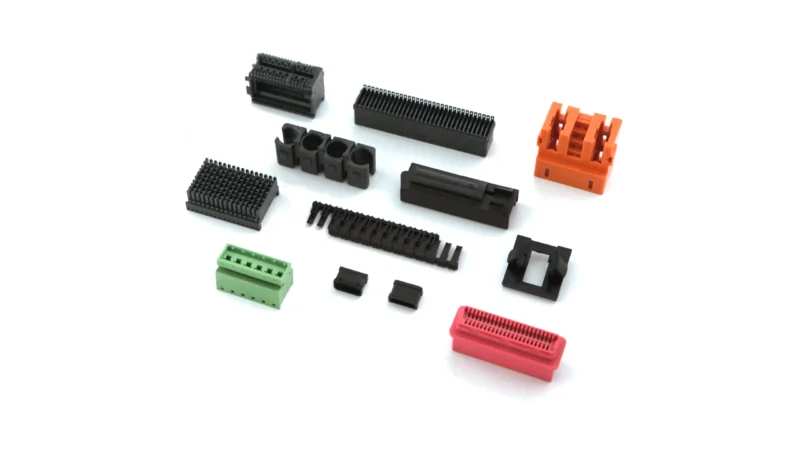
Injection Mold
Portfolio
Explore custom injection molds with single-cavity, multi-cavity, hot runner, insert and overmolding configurations. Plastic molds are specified around part geometry, resin shrinkage, runner layout and cooling requirements. Confirm the cavity count, mold steel and press interface before tooling begins.
Injection Mold
Manufacturer Capabilities
As an injection mold manufacturer, SSP reviews DFM, machining, EDM and mold assembly as one tooling project. Define the expected output, critical dimensions, cosmetic surfaces and tool handover documents at quotation. Sampling and mold acceptance should use the agreed resin and inspection plan.
2 to 64 cavities in a single tool for maximum throughput. Balanced runner systems and uniform cooling ensure cavity-to-cavity consistency across the entire tool.
Up to 64 CavitiesValve-gate and open-gate hot runner systems from Husky, Yudo, or Synventive eliminate runners, reduce waste, and enable automatic cycle operation for 24/7 production.
Zero Runner WasteMetal inserts, electronics, or pre-formed plastic parts encapsulated in a single automated cycle. Two-shot / two-component tooling for soft-touch grips, seals, and multi-material assemblies.
Multi-MaterialMultiple different parts produced in one mold cycle — ideal for assemblies requiring matching components. Balanced fill analysis ensures consistent part quality across all cavities.
Multiple Parts Per ShotDouble the output with the same clamping force. Stack molds are ideal for thin-wall lids, caps, and packaging components where cycle time and output rate are critical.
2× Output, Same PressAluminum soft tooling for prototype validation (5k–50k shots) through full hardened P20/H13 production tools rated for 300k–5 million shots. Smooth transition from proto to production.
Prototype to 5M ShotsHASCO·MISUMI
Molding Processes
We support all core injection molding process types — designing tooling that is optimised for the specific process requirements of each application.
Core process for producing high volumes of identical plastic parts with consistent quality and tight tolerances across millions of cycles.
Second material shot over a pre-formed substrate — creating soft-touch grips, seals, two-color parts, and bonded rubber-to-plastic assemblies in one cycle.
Metal or pre-formed components placed in the mold cavity and encapsulated by injected plastic — creating strong mechanical bonds for threaded inserts, terminals, and contacts.
Nitrogen gas injected into the plastic melt to create hollow sections — reducing weight, eliminating sink marks, and enabling thick-wall parts with excellent surface quality.
High-speed injection at up to 500mm/s for walls as thin as 0.4mm. Optimized cooling channels and mold venting prevent short shots and warpage in packaging and electronics housings.
Variotherm (rapid heat / cool) mold temperature control produces Class-A mirror finishes without weld lines or sink marks — for automotive trim, consumer electronics, and optical parts.
Shot weights from 0.01g to 1g for miniature connectors, medical implant components, and micro-optic lenses. ±0.005mm precision machining for feature sizes below 0.3mm.
Traditional runner system for lower-cost tooling, color-change flexibility, and materials that are sensitive to prolonged heat exposure. Standard and three-plate cold runner configurations.
All processes above are supported by our Moldflow simulation and DFM analysis before any steel is cut — reducing T1 risk and development cycles by up to 40%. Cooling channel optimization and gate position analysis included on every tool.
Engineering &
Manufacturing Workflow
An 11-step validated workflow from part drawing to certified mold delivery — quality checkpoints at every stage.
Customer 2D/3D files reviewed for draft angles, wall thickness, undercuts, parting lines, gate locations, and ejection feasibility — before any design work begins.
Autodesk Moldflow analysis for fill balance, weld-line prediction, warpage, and cooling optimization. Gate position and runner sizing confirmed before CAD design.
Full 3D mold design in SolidWorks / CATIA including cavity, core, slides, lifters, ejectors, cooling layout, runner system, and BOM for procurement and machining.
Mold steel grade specified by volume, resin type, and surface finish requirement: P20, H13, S136, NAK80, or 718H. Mold base standard (DME/HASCO/MISUMI) confirmed with customer.
High-speed 5-axis CNC milling at ±0.005mm positioning. Cavity blocks, core inserts, slider bodies, and mold frames machined from certified tool steel.
Wire EDM for precise parting surfaces and insert profiles to ±0.003mm. Sinker EDM for deep rib features, engraving, and complex 3D textures unreachable by milling.
P20 mold bases are normally supplied pre-hardened. H13 and other hardenable cavity steels receive heat treatment to the agreed material specification. Stress relief or cryogenic treatment is selected when the application requires it, followed by dimensional re-inspection.
Hand fitting of slides, lifters, and ejector pins. Mirror polishing to SPI A1–A3 on cavity surfaces. Parting surfaces hand-scraped and blue-matched for zero flash.
First trial shot on customer-specified resin at nominal process conditions. Parts measured on CMM — all critical dimensions documented and compared against tolerance spec.
T2/T3 correction cycles address dimensional non-conformances, surface defects, warpage, or flash. Process window validated for repeatability across the production parameter range.
Full dimensional FAI report, material certs, Cpk data, mold maintenance manual. Mold cleaned, oiled, and crated with humidity protection. Exported worldwide via DHL, FedEx, or sea freight.
Quality Assurance
Every injection mold undergoes a documented multi-stage inspection protocol. We measure, validate, and certify before any tool leaves our facility.
Mill certificates verified, hardness spot-tested, and steel blocks dimensionally checked before entering CNC machining. 100% material traceability.
Full Material TraceabilityCMM inspection of all core and cavity inserts after machining and EDM. All critical features measured against nominal CAD dimensions before heat treatment.
±0.005mm Machining AccuracyAll slides, lifters, ejectors, hot runner systems, and cooling circuits verified for smooth operation, correct travel, and leak-free function before trialing.
100% Function CheckProgressive trial cycles with CMM-measured parts and process window documentation. Each trial cycle's corrections tracked and verified before next shot.
Certified Trial SamplingFull FAI dimensional report, surface finish documentation, Cpk process capability, and mold maintenance guide provided with every tool delivery.
PPAP Level 3 AvailableMaterials & Steel Grades
The right steel grade determines mold life, surface quality, and tooling cost. We specify the correct material for every volume and application requirement.
Tolerance Capability
Documented precision benchmarks for every mold we build — measured and reported before delivery.
| Measurement Type | Standard | Value |
| Mold Machining | Cavity / Core CNC Accuracy | ± 0.005 mm |
| Part Tolerance | Finished Plastic Part | ± 0.02 mm |
| Mold Flatness | Parting Surface | ≤ 0.01 mm |
| Gate / Runner | Gate & Runner Accuracy | ± 0.01 mm |
| Polishing Grade | SPI Surface Standard | A1 – A3 |
| Cooling Channel | Positional Accuracy | ± 0.1 mm |
Standard production capability. Tighter tolerances achievable for micro molds and optical applications via additional EDM and lapping operations.
Surface Finishes
The right surface treatment improves part appearance, reduces wear, enhances part release, and extends mold life between maintenance intervals.
Diamond-polished cavity surfaces to the specified SPI A1, A2 or A3 finish. The approved finish sample and roughness requirement guide inspection for optical parts, lenses, and high-gloss consumer products.
Part surface quality ×10Sinker EDM creates uniform matte and textured cavity surfaces (VDI 12–45) that hide flow marks and fingerprints on finished parts — ideal for automotive interior components.
Flow mark concealmentUniform matte surface finish applied by steel or glass bead blasting. Removes machining marks, improves part release, and provides a cost-effective non-gloss alternative.
Improved part releaseChemical etching or laser engraving for precise grain textures (leather, wood, geometric) that replicate automotive and consumer product tactile requirements exactly.
Premium product aestheticsElectrodeposited hard chrome 5–30μm on cavity surfaces. Increases surface hardness to HRC 70+, improves corrosion resistance, and extends mold life for abrasive-filled resins.
Mold life ×2–3Gas or plasma nitriding to 0.1–0.3mm case depth (HV 900–1100) with near-zero dimensional change. Dramatically improves wear and corrosion resistance without distortion.
Surface hardness +60%Diamond-Like Carbon 1–4μm with friction coefficient as low as 0.05. Eliminates adhesion of sticky resins (PP, PE), reduces ejection force, and dramatically cuts cycle time.
Ejection force −50%available on request
Industries Served
Our injection molds serve demanding plastic component applications across five major industries — wherever precision molded parts are required at volume.
Interior trim panels, grille components, HVAC vents, and structural clips. We support IATF 16949 documentation and PPAP Level 3 for tier-1 and tier-2 suppliers.
Class 8 cleanroom-compatible tooling for single-use syringes, diagnostic device housings, and surgical instrument grips. S136 stainless steel for chemical resistance and mirror finish.
High-gloss and textured housings, transparent lenses, buttons, and structural brackets for smartphones, wearables, and consumer devices. Tight cosmetic specifications met consistently.
Machine enclosures, structural brackets, gears, and control panel components for industrial automation and equipment manufacturers. GF-reinforced resins and tight structural tolerances.
High-speed thin-wall tooling for caps, lids, food containers, and closures. Stack molds and multi-cavity configurations maximize throughput for high-volume packaging customers.
Why Choose Us
Technical depth, proven delivery, and mold-making partnership from first drawing to production-ready tool.
Since 2014, we have designed and delivered precision injection molds across multi-cavity, hot runner, insert, overmolding, and micro-molding tooling for global manufacturers.
5-axis CNC milling, wire EDM, sinker EDM, and CMM inspection — every critical dimension documented against your tolerance spec before delivery.
CNC machining, EDM, heat treatment, precision polishing, fitting, and CMM inspection all under one roof. No subcontracting means full quality control ownership at every stage.
Every mold is backed by Autodesk Moldflow simulation for gate position, fill balance, warpage, and cooling optimization — reducing T1 risk and development cycles by up to 40%.
From aluminum soft tooling for prototypes to fully hardened H13 production tools rated for 5 million shots. Steel grade and surface treatment matched to your production volume requirement.
Structured 11-step workflow from DFM to T1 sample delivery in 15–35 days. Rush programs available with dedicated resources and overtime capacity for urgent tooling projects.
Experienced in DME, HASCO, and MISUMI standard mold bases. English documentation, mold maintenance manuals, and international logistics (DHL/FedEx/sea) included.
Upload your part drawing and receive a DFM review, material recommendation, and lead time estimate within 24 hours — at no cost.
Get Free DFM Review →⚙️ Core Services
📦 Product Lines
Injection Mold Planning & FAQs
A reliable injection mold starts with a clear part specification. Before requesting a quotation, share your 3D model, dimensioned drawing, resin grade, annual demand, target press, and cosmetic requirements. Identify critical dimensions and any functional tests so that the tooling design, cavity count, cooling layout, and inspection plan address the same priorities.
Which injection mold configuration should I choose?
Multi-cavity tooling suits repeat production of one component. A family mold can combine related components when their material and filling requirements are compatible. Insert molding encapsulates a prepared insert, while overmolding adds another material to an existing substrate. Our engineers compare these options during DFM review and explain the trade-offs in output, maintenance, press compatibility, and initial tooling cost.
How are injection mold tolerances and finishes agreed?
Machining capability and molded-part tolerance are different specifications. Resin shrinkage, part geometry, wall thickness, conditioning, and measurement method influence the finished component. The final drawing defines critical dimensions and inspection conditions; an approved surface sample defines the cosmetic finish. Listed capabilities are evaluated for each project during engineering review.
What affects injection mold lead time?
The typical planning window shown on this page is 15–35 days after design confirmation. Complex side actions, many cavities, special steels, bought-in hot runner systems, and validation requirements can change the schedule. The quotation confirms milestones for design approval, machining, first trial, corrective work, and sample acceptance before shipment.
What information helps select the mold steel?
Specify the resin, abrasive fillers, corrosive additives, expected production volume, and finish requirement. P20 grades are usually supplied pre-hardened, while other grades may need a defined heat-treatment process. See Uddeholm’s P20 steel guidance and the SPI surface finish classification for reference. SSP confirms the selected grade and finish in the project specification.
For production support after tooling delivery, explore our injection molding services or tooling spare parts. Send your drawings through the existing quote form to discuss the right injection mold for your component.
Start Your Injection Mold
Project Today
Upload your drawing and receive a detailed quotation with engineering suggestions within 24 hours. DFM review, material recommendation, and Moldflow analysis included.