


Precision
Stamping Die
Progressive, Transfer & Custom Dies | ±0.01 mm Accuracy | High-Volume Production
We design and manufacture high-performance stamping dies for complex metal components across automotive, electronics, and industrial applications — from DFM analysis to certified sample delivery.
Stamping Die
Portfolio
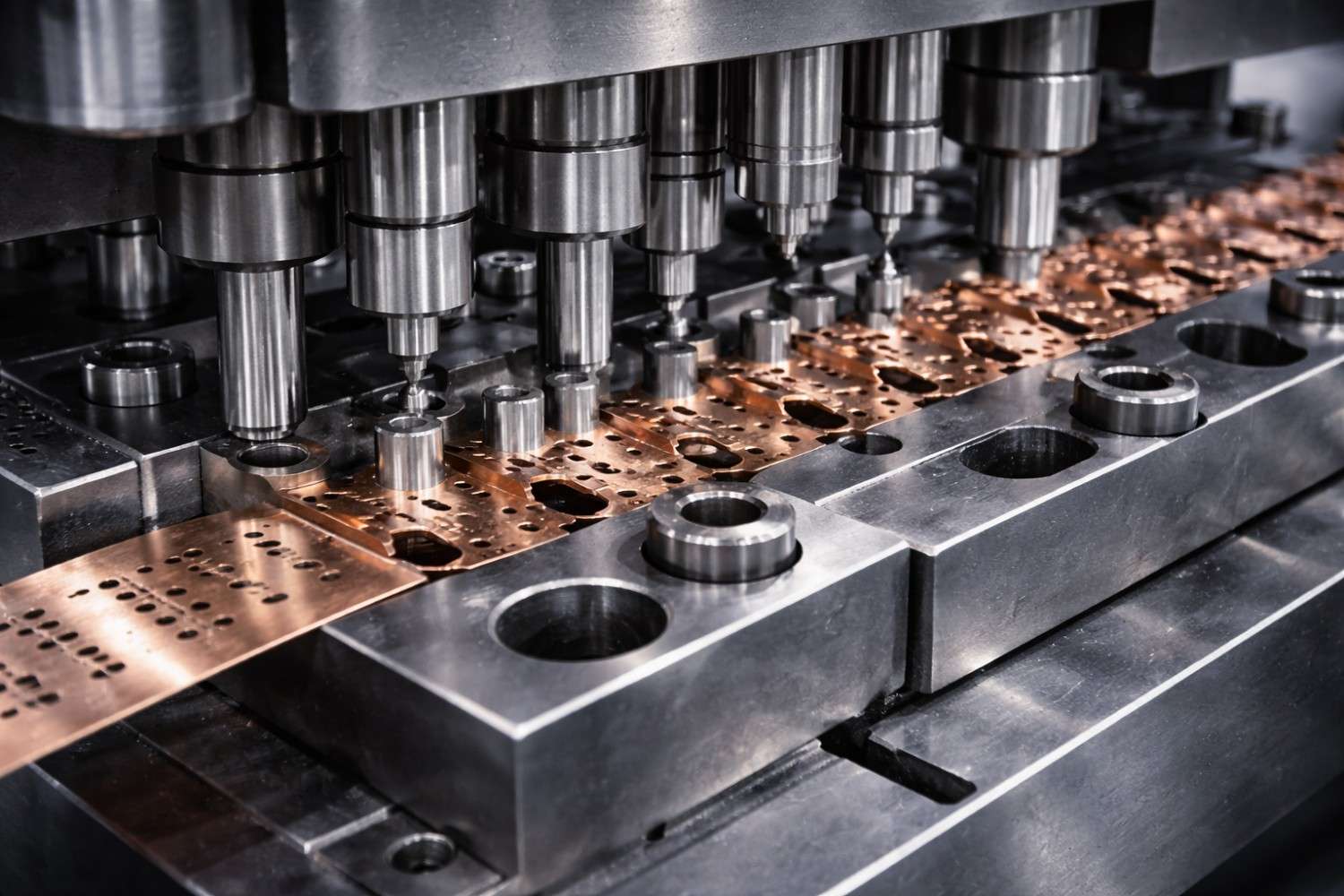
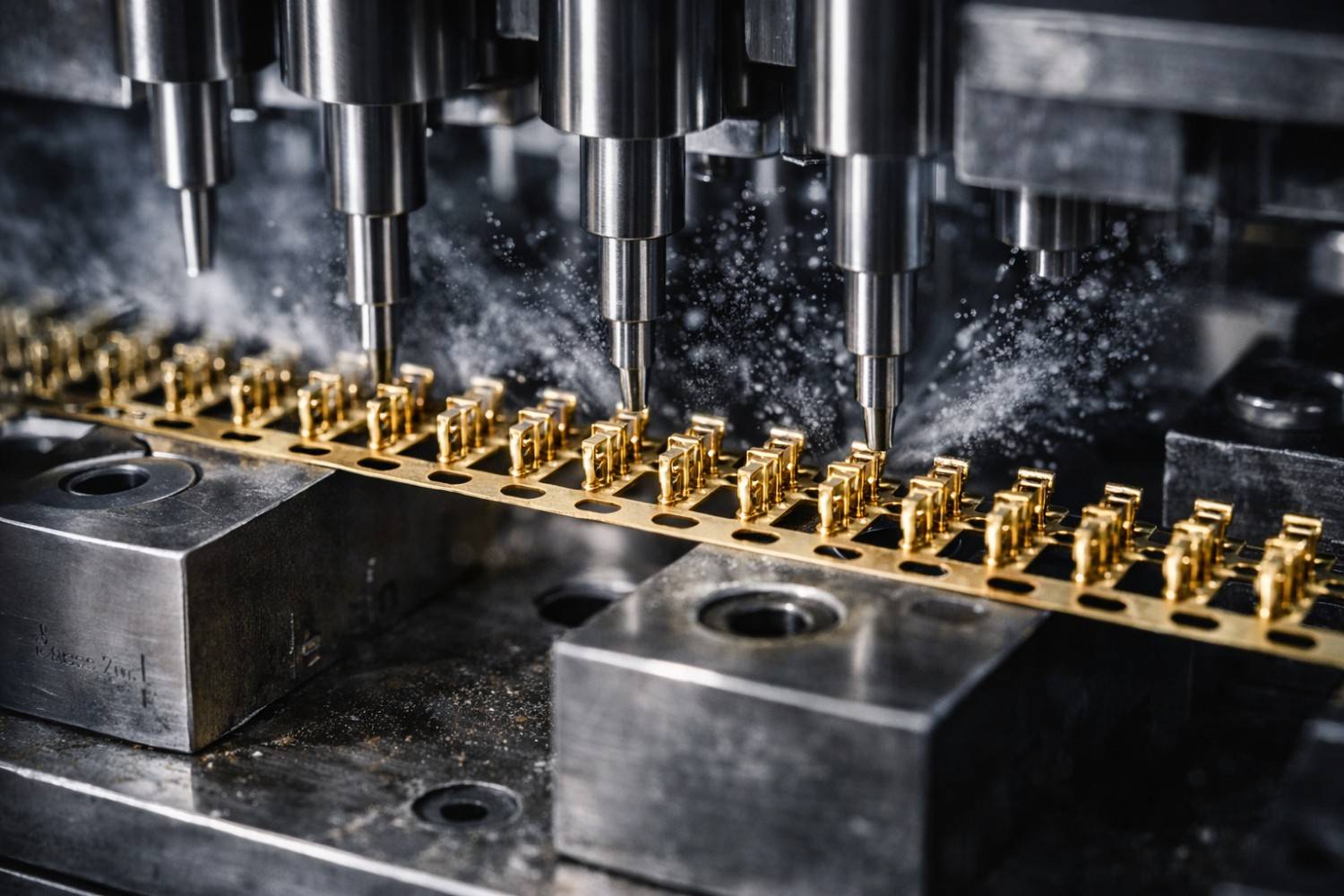
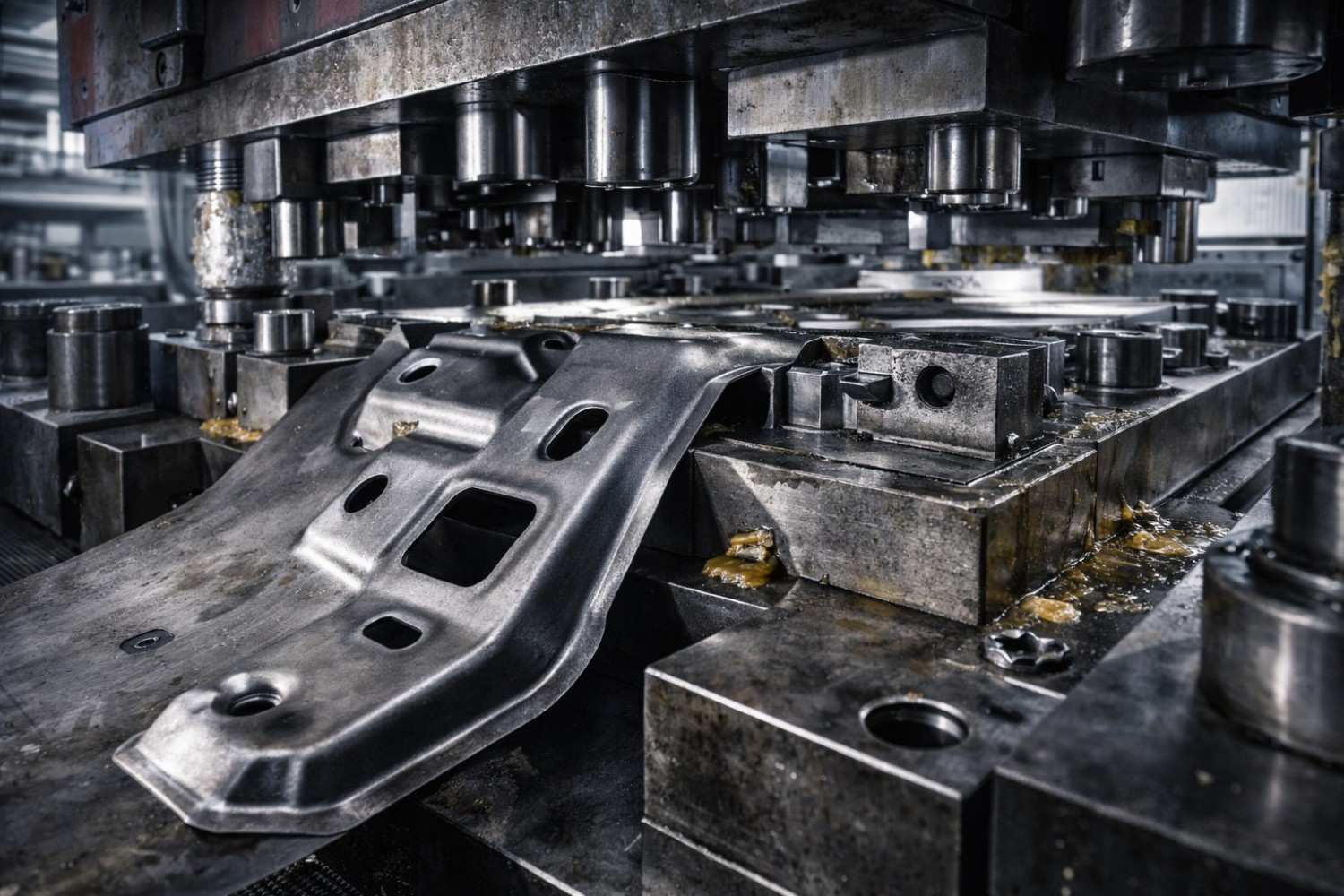
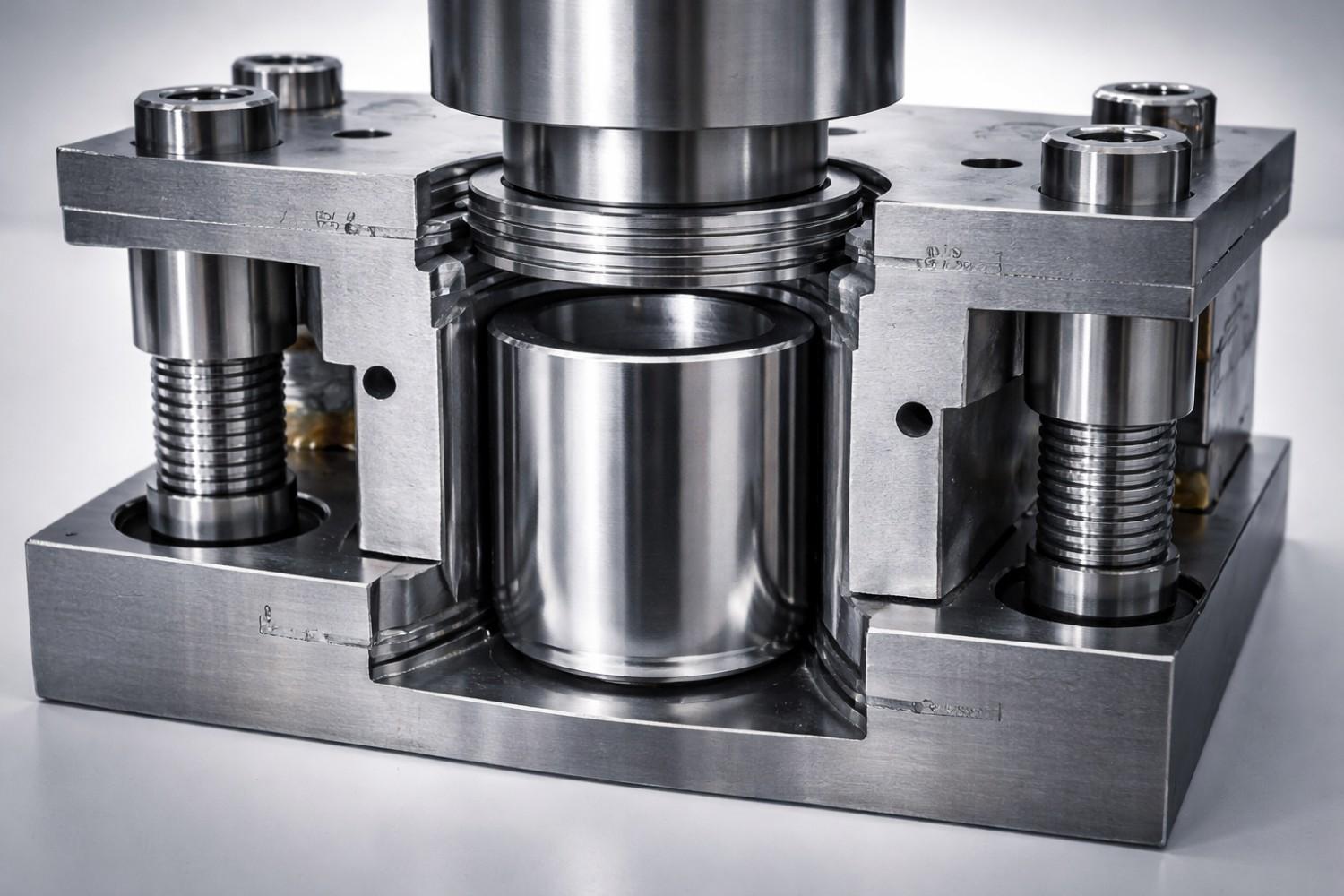
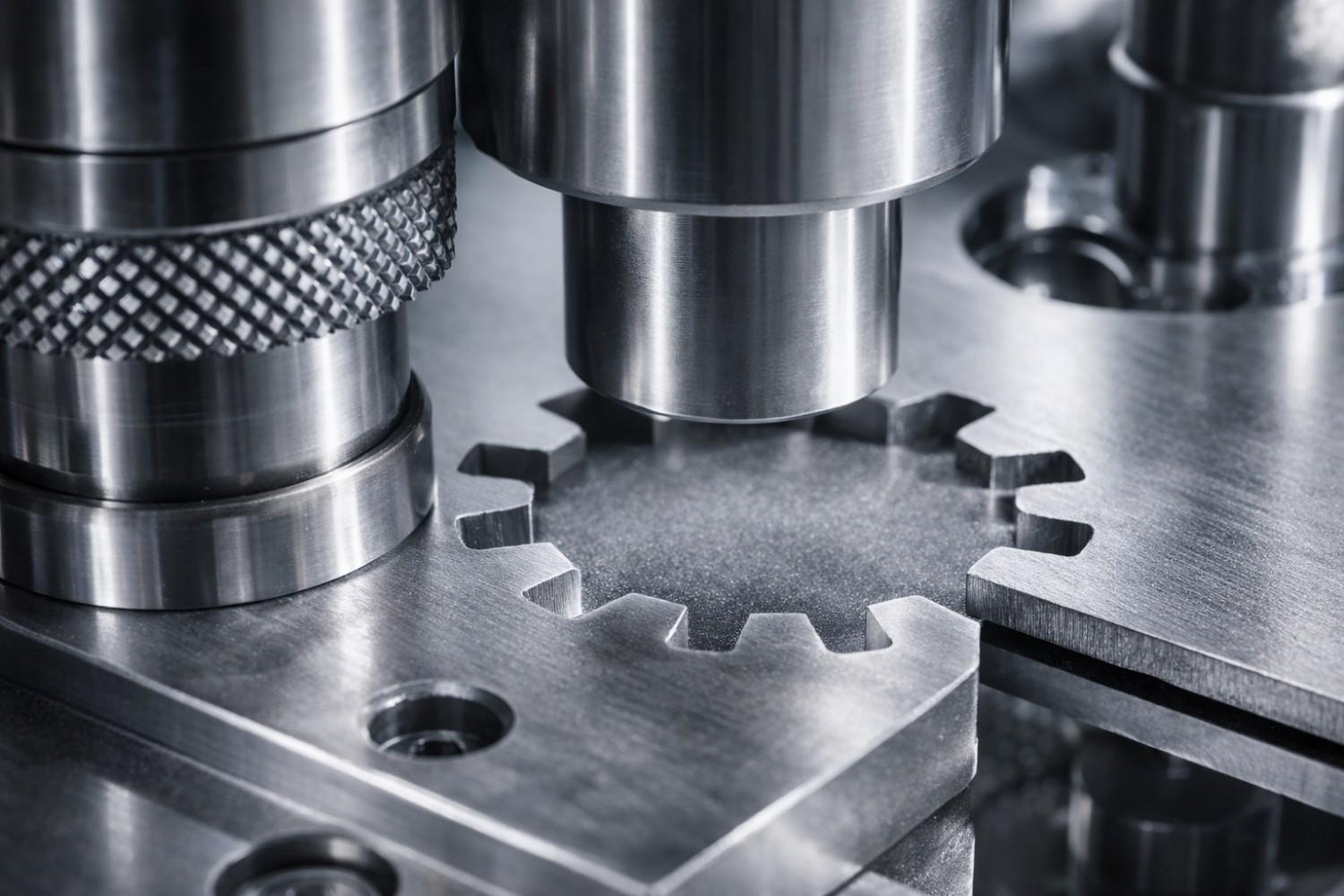
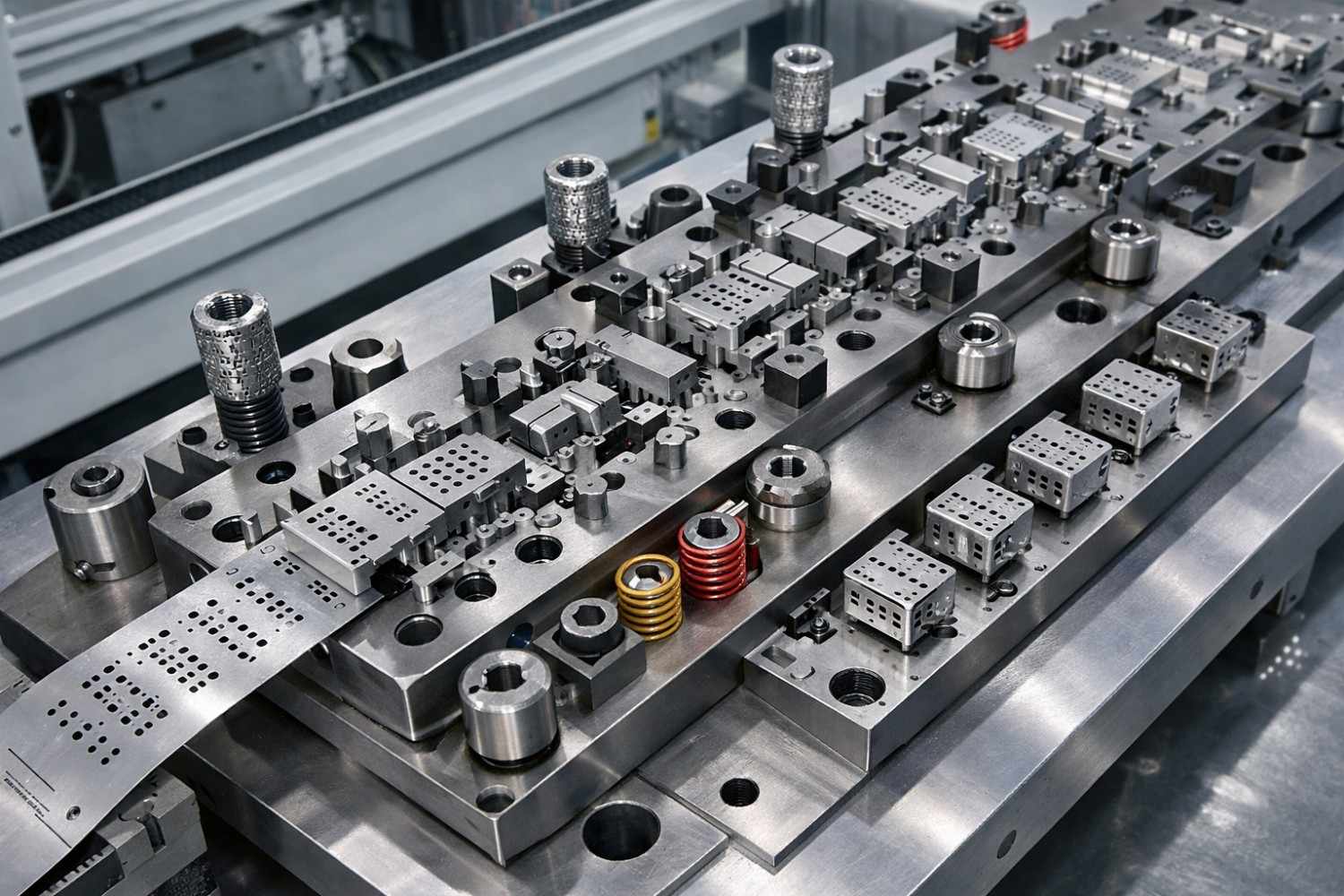
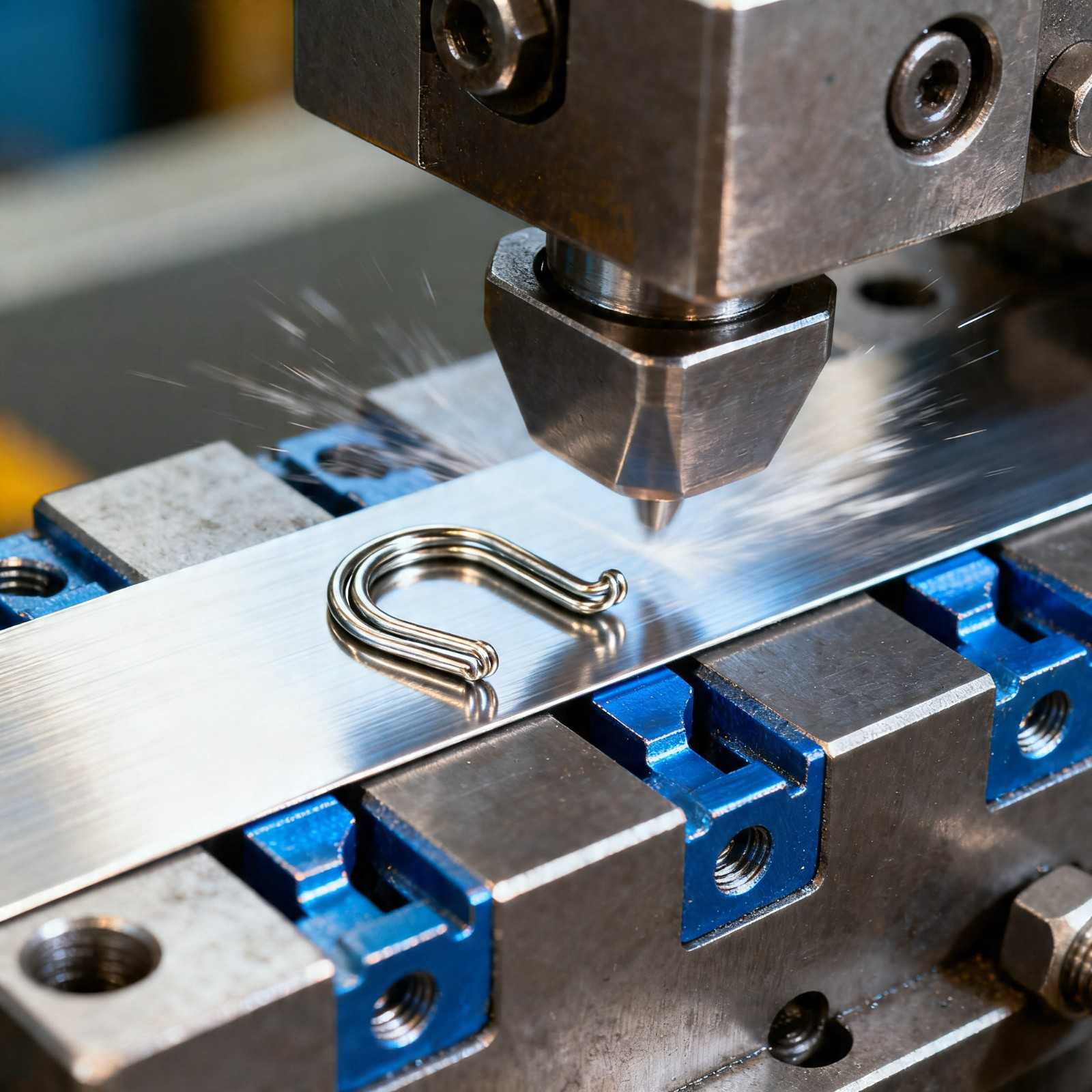
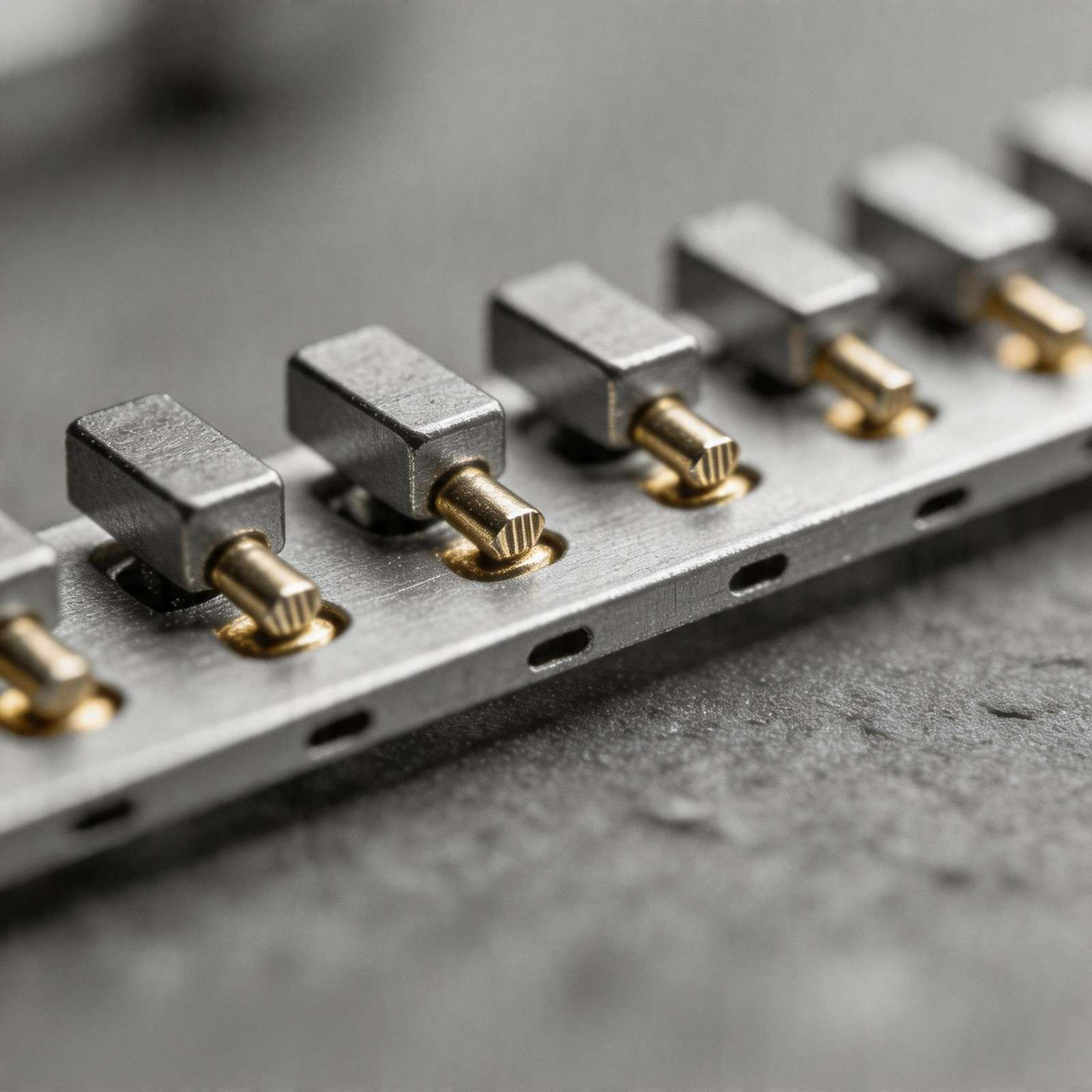
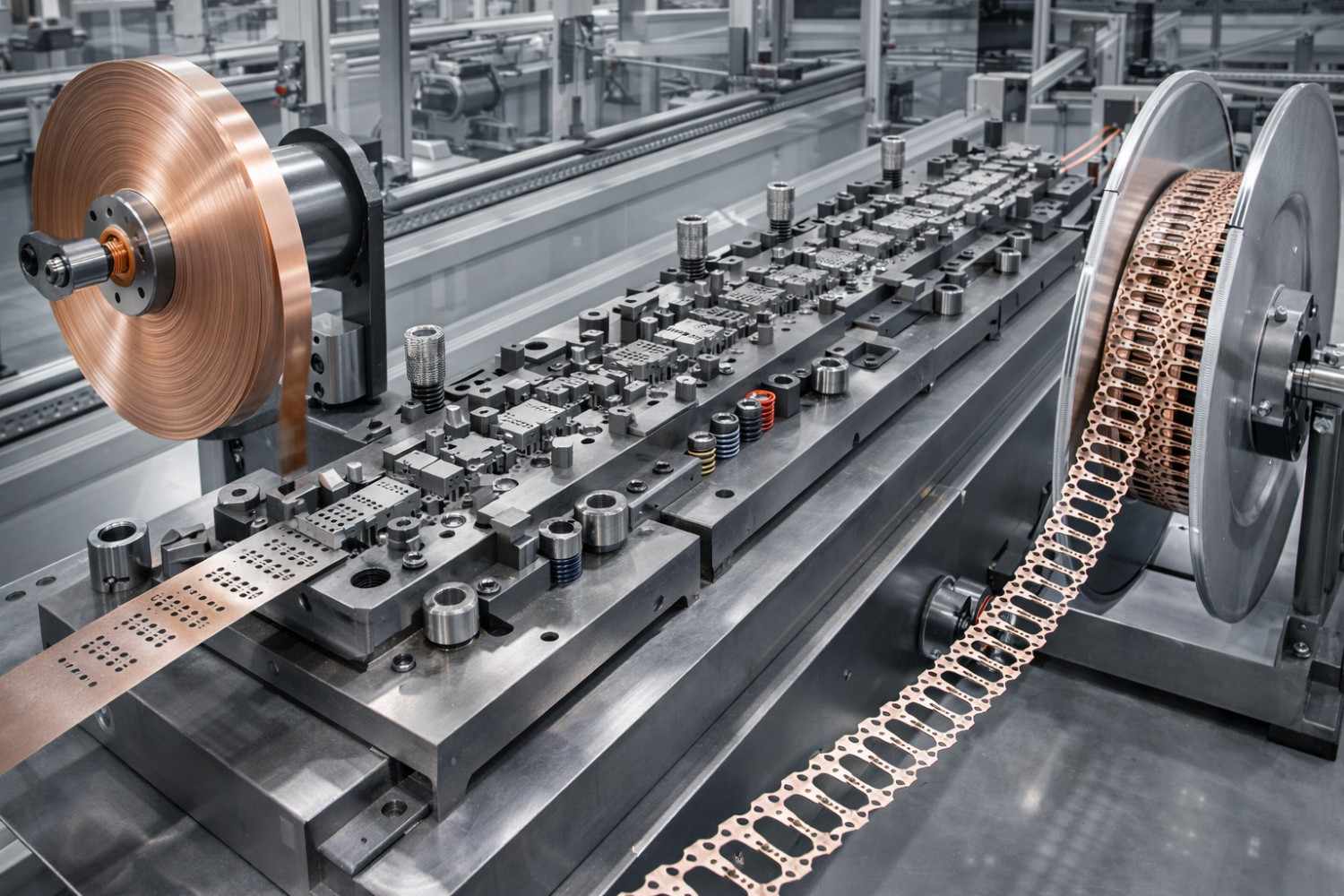
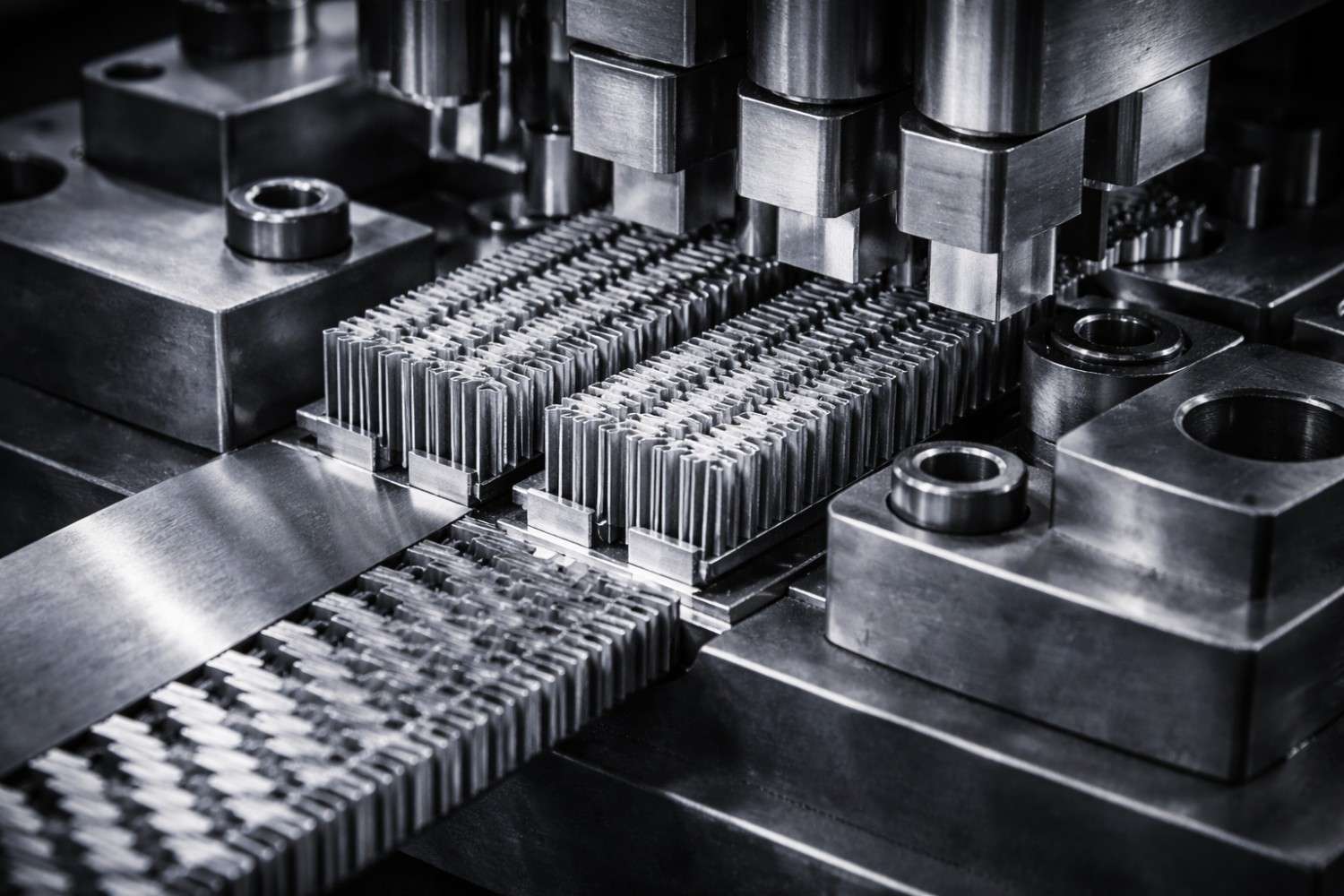
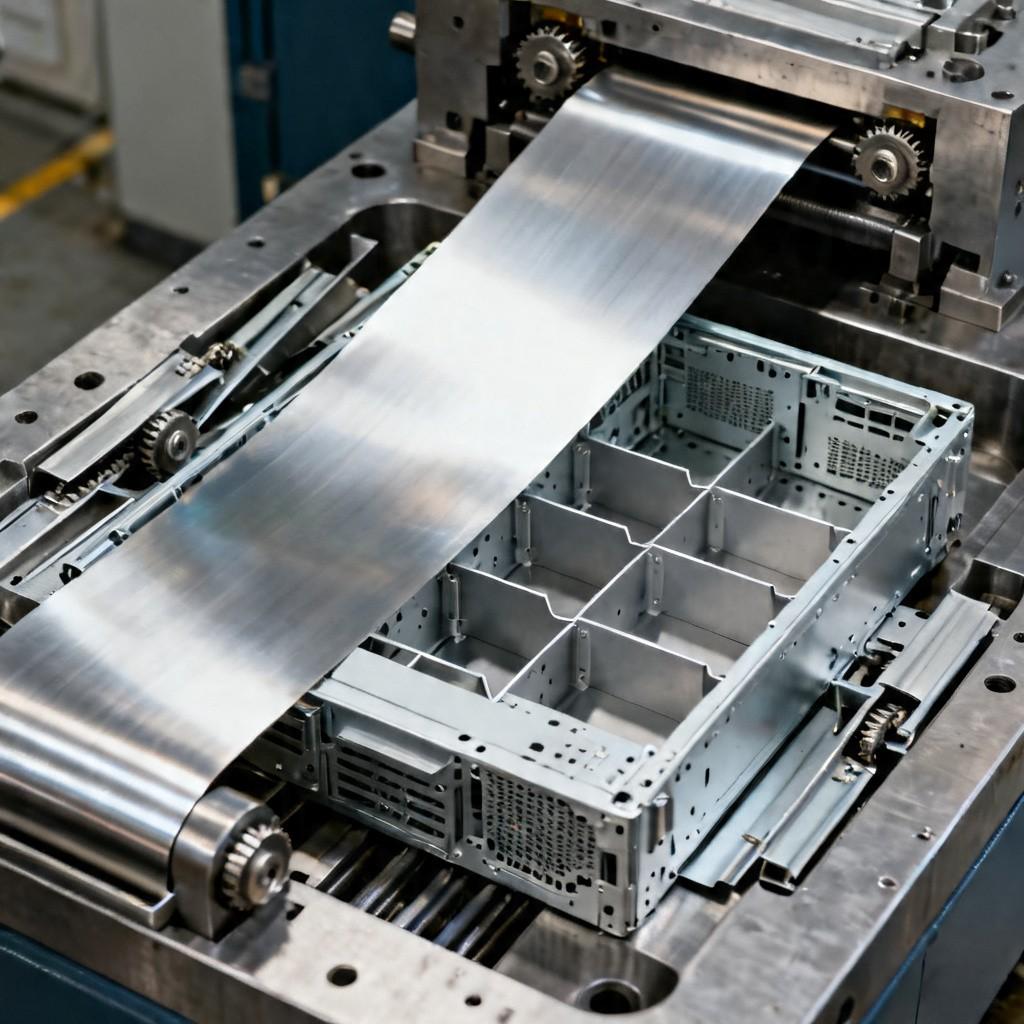
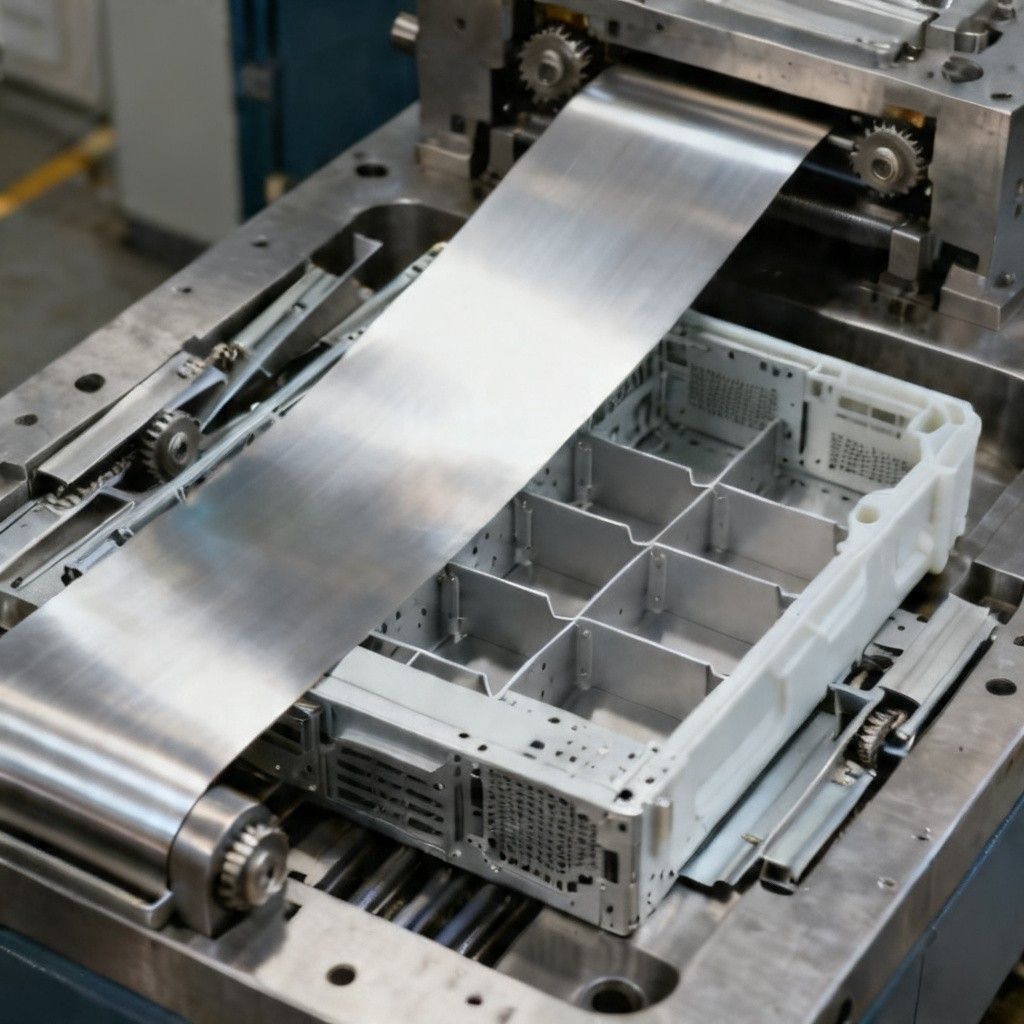
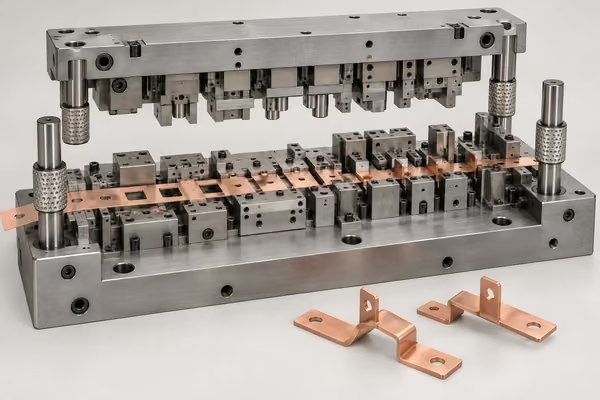
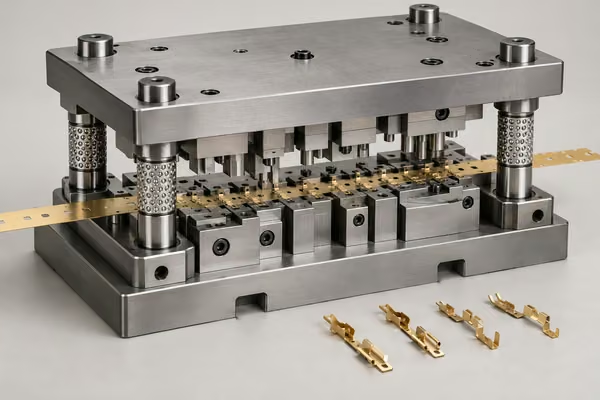
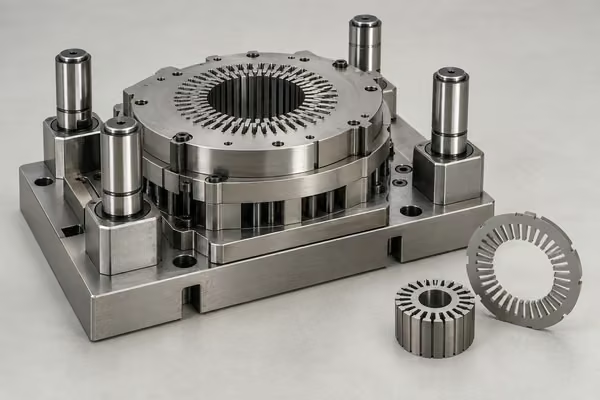
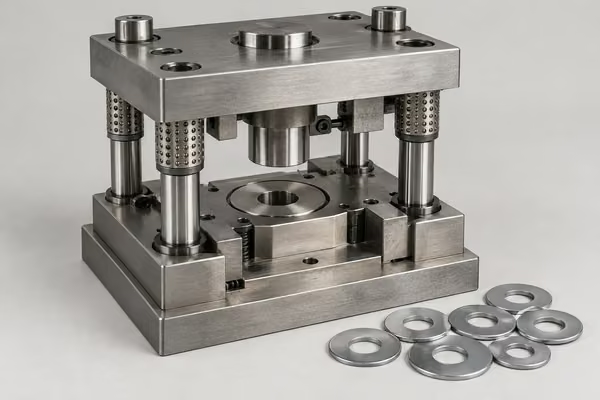
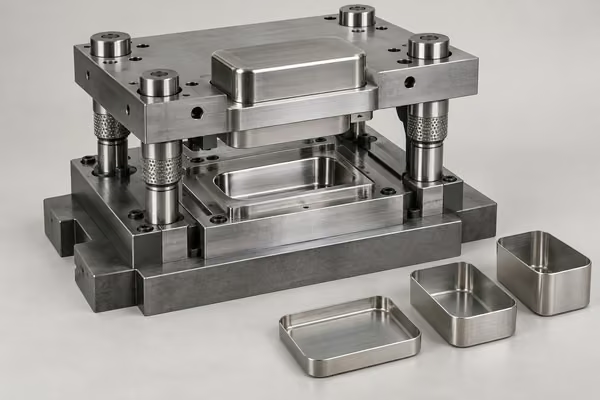
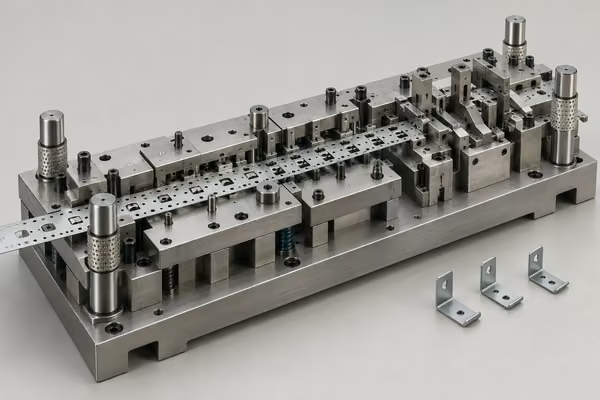
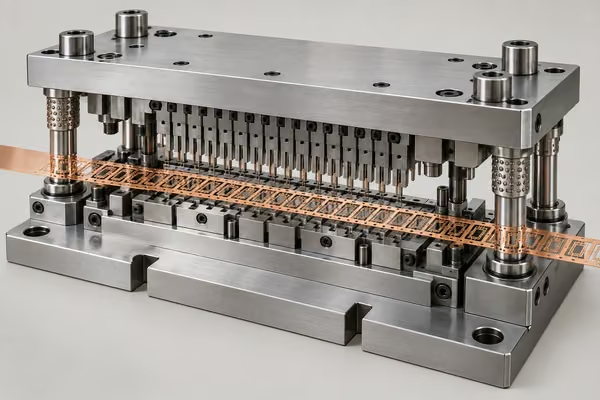
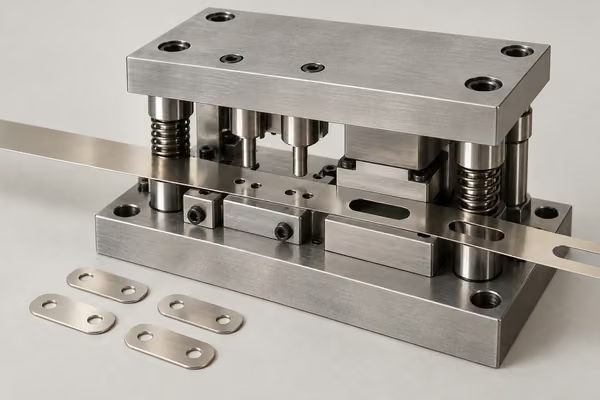
Our stamping die portfolio demonstrates high-precision engineering, durability, and performance in real production environments. Click any product to view full specifications.
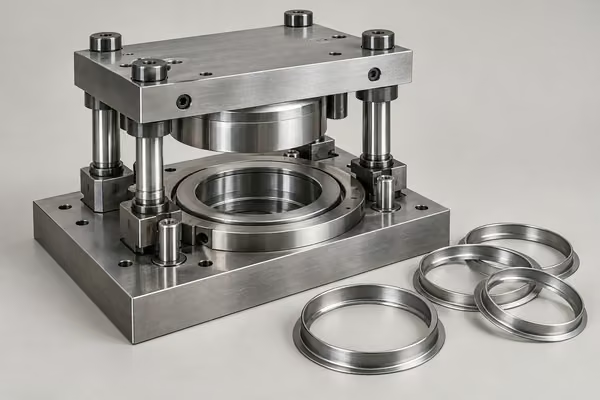
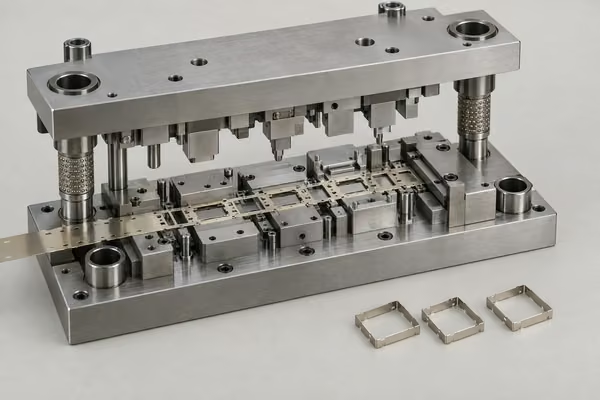
Stamping Die
Capabilities
From single-station blanking tools to 24-stage progressive dies — our in-house capabilities span the full spectrum of precision stamping tooling, backed by CAE simulation at every stage. See how our stamping die manufacturing process runs from DFM to in-house tryout.
Multi-station dies performing sequential operations on a continuous strip. Up to 24 stations — ideal for high-volume terminals, connectors, and brackets.
Up to 24 StationsSeparate blanks transferred station-to-station by servo fingers. For larger complex parts with deep draw or multi-directional forming that can't run on a strip.
Complex GeometriesBlanking and piercing in a single simultaneous stroke. Produces flat parts with exceptional flatness and positional accuracy — washers, discs, precision blanks.
Single-Stroke Multi-OpTriple-action tooling with V-ring and counter punch for shear-cut burr-free edges across full material thickness. Eliminates secondary operations.
Burr ≤ 5μmMulti-stage reduction dies for cups, shells, and 3D enclosures. Draw ratios up to 2.5:1 achieved with optimised blank holder, punch radius, and clearance geometry.
Draw Ratio ≤ 2.5:1Up to 1,200 SPM engineering with tungsten carbide inserts, DLC coatings, and precision guide systems for connector terminals, micro-contacts, and lead frames.
Up to 1200 SPMStamping Processes
We integrate all core metal forming operations within a single progressive or transfer die — combining multiple processes for reduced cycle time and tighter process control.
Shearing the outer part profile from sheet metal with controlled punch-die clearance for clean cut edges.
Punching holes, slots, or cutouts with the slug discarded. The pierced sheet is the finished workpiece.
3D shape generation by plastic deformation without material removal — combining bends, offsets, and contours in one die.
Angle forming with V-dies, U-dies, or wipe tools. Spring-back compensation built into every die for consistent angle accuracy.
Controlled material flow forming cups, shells, and enclosures. Blank holder force and punch radius precisely engineered.
Raised or recessed logos, ribs, and identification marks without material removal — thickness redistribution creates the geometry.
High-pressure full-surface contact die squeezing — zero spring-back. Produces coin-flat surfaces and sharp corners for contacts and connectors.
In-die internal thread forming within the progressive stroke, eliminating secondary operations on high-speed production lines.
All processes above are integrated within our progressive and transfer die designs. We run CAE forming simulation for spring-back prediction and optimisation before cutting steel — reducing first-tryout risk and development time by up to 40%.
Engineering &
Manufacturing Workflow
A structured 10-step process from drawing to certified sample delivery — engineering checkpoints at every stage.
Customer 2D/3D drawings reviewed for manufacturability — radii, draft angles, wall thickness, and feature feasibility validated before quoting.
Die steel grade selected by application: SKD11, DC53, Cr12MoV, PM-HSS, or tungsten carbide inserts based on volume, material stamped, and tolerance spec.
3D die design in SolidWorks/CATIA with FEA forming simulation for spring-back prediction, station layout, and BOM generation for CNC programming.
High-speed 4-axis CNC milling at ±0.005mm positioning. Die blocks, punch holders, and backing plates machined from pre-hardened or annealed tool steel.
Wire EDM for punch profiles and die openings to ±0.002mm. Sinker EDM for blind cavities, engraving, and features unreachable by conventional machining.
Vacuum hardening to HRC 58–62 for SKD11. Cryogenic treatment plus double tempering stabilises dimensions and eliminates residual stress before grinding.
Surface grinding, lapping, and hand-fitting to design clearances. Every punch-die interface fitted and confirmed under CMM before assembly.
Press tryout on production material. Parts measured on CMM; clearances, spring-back, and pitch adjusted iteratively until dimensional conformance is achieved.
Full FAI dimensional report with CMM printout, material certs, and Cpk data. PPAP Level 3 including control plan and PFMEA available on request.
Die sets cleaned, oiled, and packed in custom foam with moisture-proof barrier. Exported via DHL/FedEx/sea freight with full documentation and die maintenance manual.
Quality Assurance
Every stamping die undergoes a documented multi-stage inspection protocol. We measure, validate, and certify before any die leaves our facility.
Mill certificates verified against spec. Hardness spot-tested; die steel blocks measured before entering production.
100% Material TraceabilityEach punch-die clearance measured by CMM and feeler gauge. Clearance uniformity ≤ 0.002mm variation around perimeter confirmed.
±0.002mm Clearance Control50,000–100,000-stroke durability run on production press with dimensional sampling at 10k intervals for stability verification.
50,000 – 100,000 Stroke TrialFull FAI report with CMM printout for every critical dimension, including balloon reference, measured value, and conformance status.
PPAP Level 3 AvailableMaterials & Steel Grades
Correct material selection is fundamental to die life and part quality. We stock and specify the right grade for every application and volume requirement.
Tolerance Capability
Hard numbers define our precision. Every die is documented against these benchmarks before delivery.
| Measurement Type | Standard | Value |
| Insert Tolerance | Punch / Die Insert Profile | ± 0.002 mm |
| Die Assembly | Die Block Dimensions | ± 0.01 mm |
| Part Tolerance | Finished Part Dimensions | ± 0.03 mm |
| Burr Height | Cut Edge Protrusion | ≤ 5 μm |
| Positional Accuracy | Feature-to-Feature True Position | ± 0.008 mm |
| Surface Finish (Mirror) | Working Surface Ra | ≤ 0.05 μm |
Standard production capability. Tighter tolerances achievable on request via additional EDM and lapping operations.
Surface Finishes
The right surface treatment extends die life, reduces friction, prevents galling, and directly improves the quality and consistency of stamped parts.
Ra ≤ 0.05μm on punch faces and die cavities. Reduces ejection force, prevents material adhesion, improves surface quality of drawn parts.
Die life +30%Gas or plasma nitriding creates a hardened layer (HV 900–1100) to 0.1–0.3mm depth — dramatically improves wear resistance without dimensional change.
Surface hardness +60%Diamond-Like Carbon 1–4μm thick. Friction coefficient as low as 0.05 — ideal for stainless steel and copper stamping where adhesive wear is the primary failure mode.
Friction coeff. −70%PVD titanium nitride (gold) and titanium carbonitride (grey) 2–5μm, HV 2300+. Suitable for high-volume applications with abrasive materials.
Wear life ×3–5Electrodeposited hard chrome 5–50μm, HRC 70+ surface. Applied to punch shanks, guide posts, and wear surfaces for corrosion and abrasion resistance.
Corrosion resistance +90%Precision surface grinding Ra 0.2–0.8μm and diamond lapping Ra ≤ 0.05μm. Ensures accuracy and flatness of mating die components after heat treatment.
Flatness ≤ 0.002mmChemical conversion coating providing corrosion inhibition with near-zero dimensional change (<1μm). Used for die bodies, retainer plates, and backing plates.
Zero dimensional changeavailable on request
Industries Served
Our stamping dies serve demanding applications across five major industries — wherever precision metal components are manufactured at volume.
Structural brackets, body clips, seat rails, and shield components for OEM tier-1 and tier-2 automotive suppliers. IATF compliance supported.
Connector terminals, EMI shielding covers, contact pins, and lead frames for consumer electronics, telecom, and PCB assembly manufacturers.
High-precision stampings in titanium, Inconel, and stainless for structural brackets, retaining clips, and fastener housings. AS9100-compatible quality records.
Machine enclosures, motor brackets, heat sink fins, and control panel hardware for industrial automation, robotics, and heavy equipment manufacturers.
Copper bus bars, transformer laminations, battery contacts, and solar junction terminals for renewable energy, power distribution, and EV battery systems.
Why Choose Us
Technical capability, proven track record, and engineering partnership from first drawing to final delivery.
Since 2014, we have designed and delivered precision stamping dies for global manufacturers across progressive, transfer, fine-blanking, and deep-draw tooling.
Controlled by CMM, wire EDM, and precision surface grinding. Every insert dimensioned and documented before assembly — insert tolerance ±0.002mm standard.
CNC milling, Wire EDM, Sinker EDM, surface grinding, lapping, heat treatment, and CMM inspection — all under one roof. No subcontracting, full quality ownership.
From single-station compound dies to 20-stage progressive tooling. Portfolio spans automotive, electronics, aerospace, and industrial sectors globally.
Structured workflow from DFM analysis to first-article delivery in 15–30 days. Rush programs available with dedicated engineering resources and overtime capacity.
Experienced in export documentation, English die manuals, and international logistics. Custom crating, humidity protection, and sea/air freight coordination included.
Our engineers provide DFM feedback, material recommendations, and tolerance feasibility reviews before commitment. We solve engineering challenges, not just cut steel.
Upload a drawing and receive material recommendation, tolerance feasibility, and lead time estimate within 24 hours.
Get Free DFM Review →Start Your Stamping Die
Project Today
Upload your drawing and receive a detailed quotation with engineering feedback within 24 hours. DFM review, material recommendation, and tolerance feasibility included.