Blog

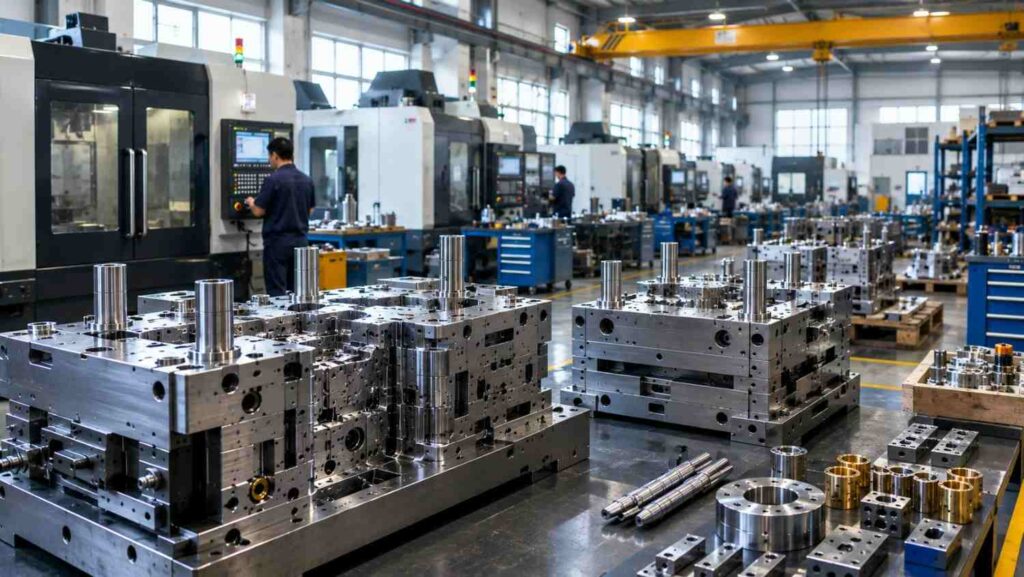
Heavy Duty Transfer Tooling

Heavy Duty Transfer Tooling: Multi-Station Transfer Dies for Deep-Drawn Components

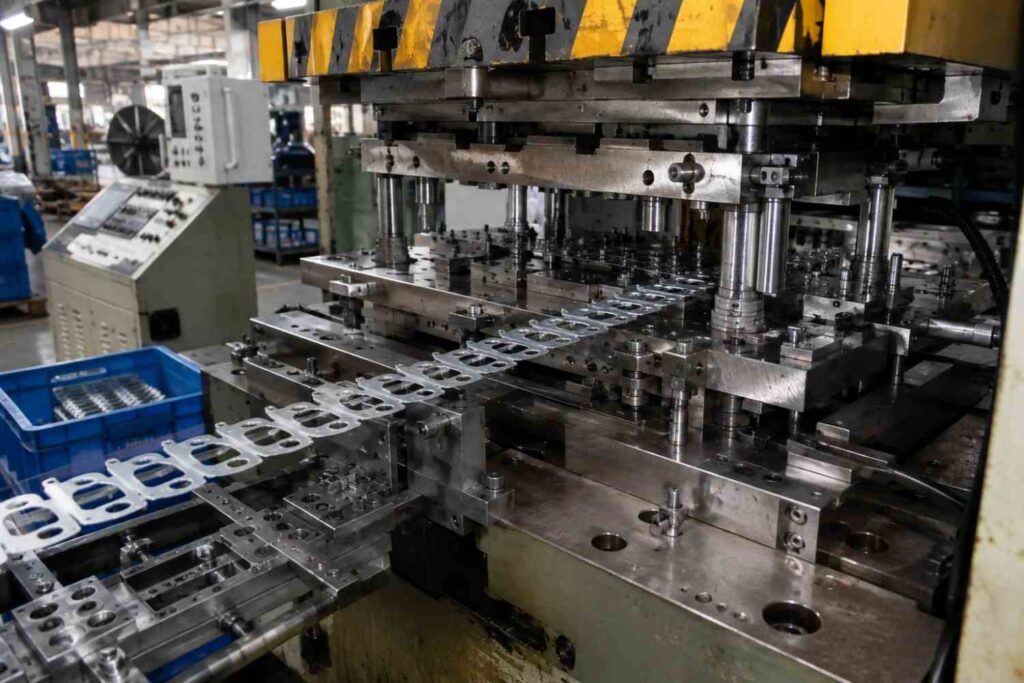
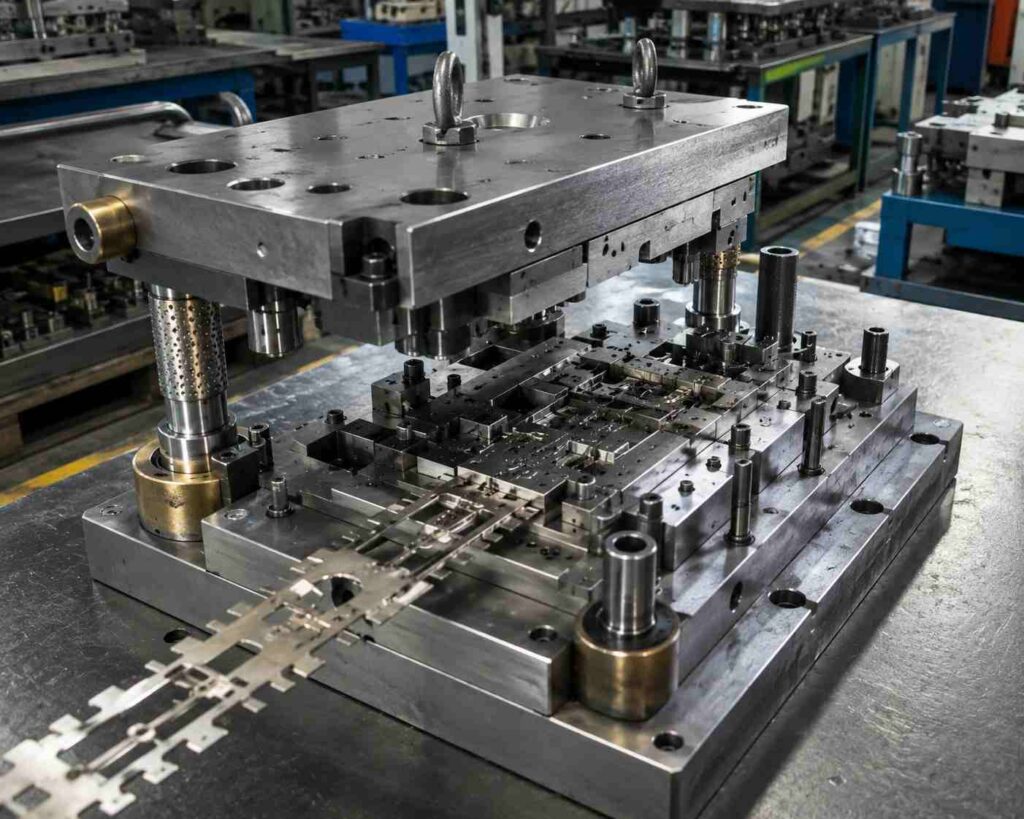
Heavy duty transfer tooling is a stamping die system that moves metal workpieces through multiple forming stations using mechanical fingers, robots, or servo transfers. Unlike progressive dies where the part stays attached to a strip, transfer dies handle individual blanks — making them ideal for deep-drawn components, heavy gauge parts, and complex geometries that require […]

Heavy Duty Transfer Tooling: Multi-Station Transfer Dies for Deep-Drawn Components Read More »

China Injection Mold Source

China Injection Mold Source: High-Cycle Multi-Cavity Production Plastic Molds

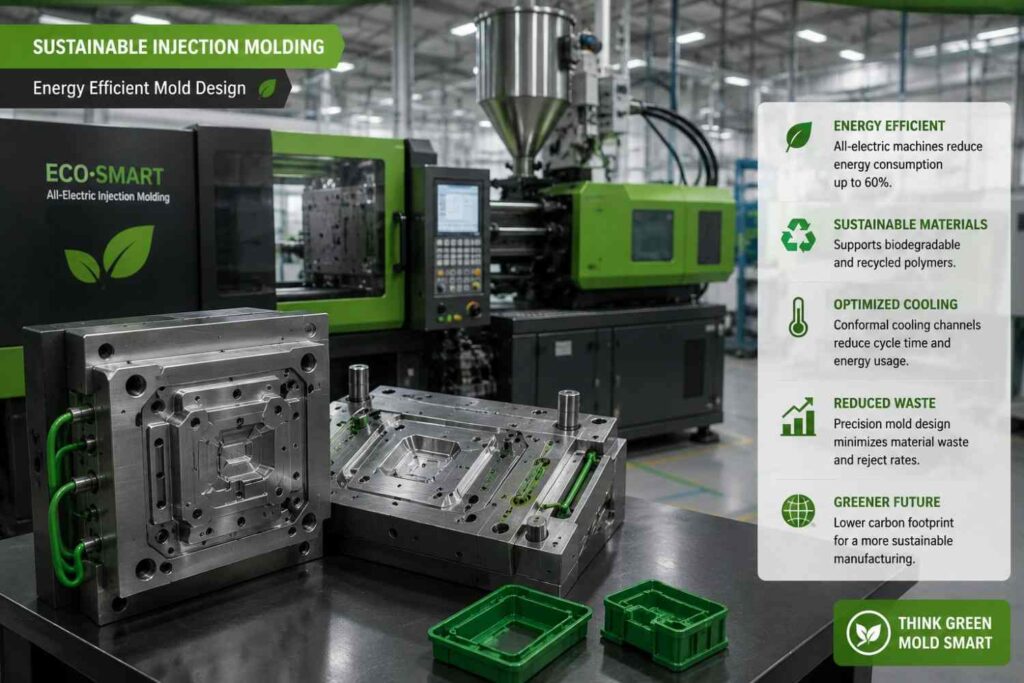
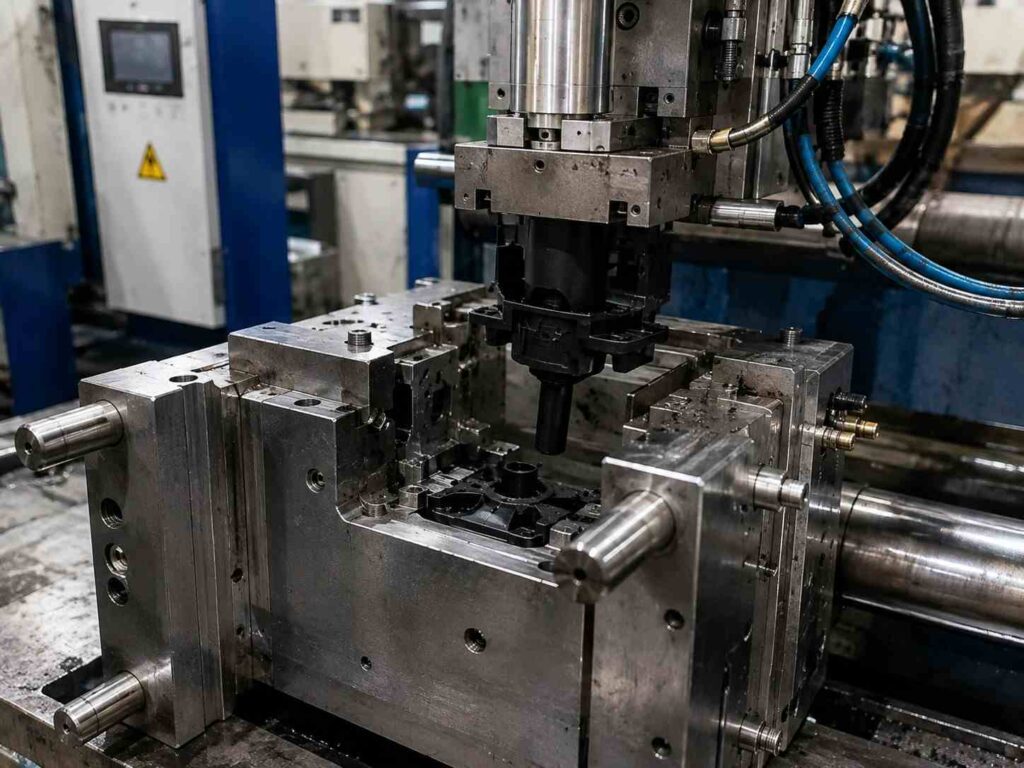
Reliable China injection mold source for high-cycle multi-cavity plastic molds. Precision tooling from SSPrecision since 2008 – ISO 9001, IATF 16949, tolerances to +/-0.002mm. A China injection mold source delivers high-cavity production tooling that cycles millions of parts per year with repeatable precision. Multi-cavity molds produce multiple identical parts per shot – 2, 4, 8,

China Injection Mold Source: High-Cycle Multi-Cavity Production Plastic Molds Read More »

Stamping Dies Manufacturing

Stamping Dies Manufacturing: Custom Dies for OEMs

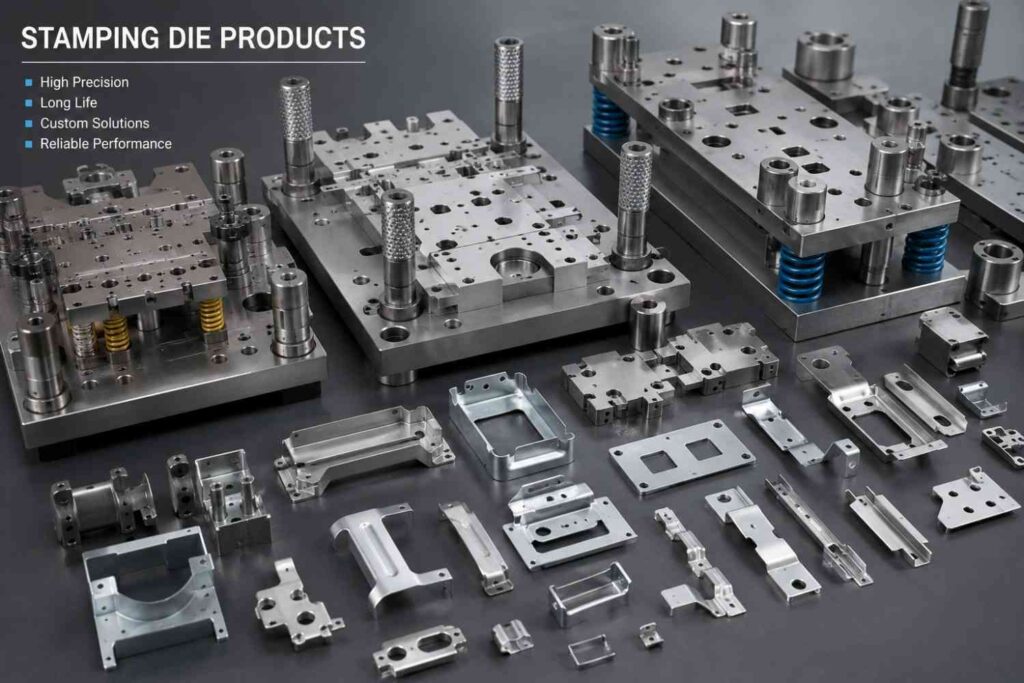
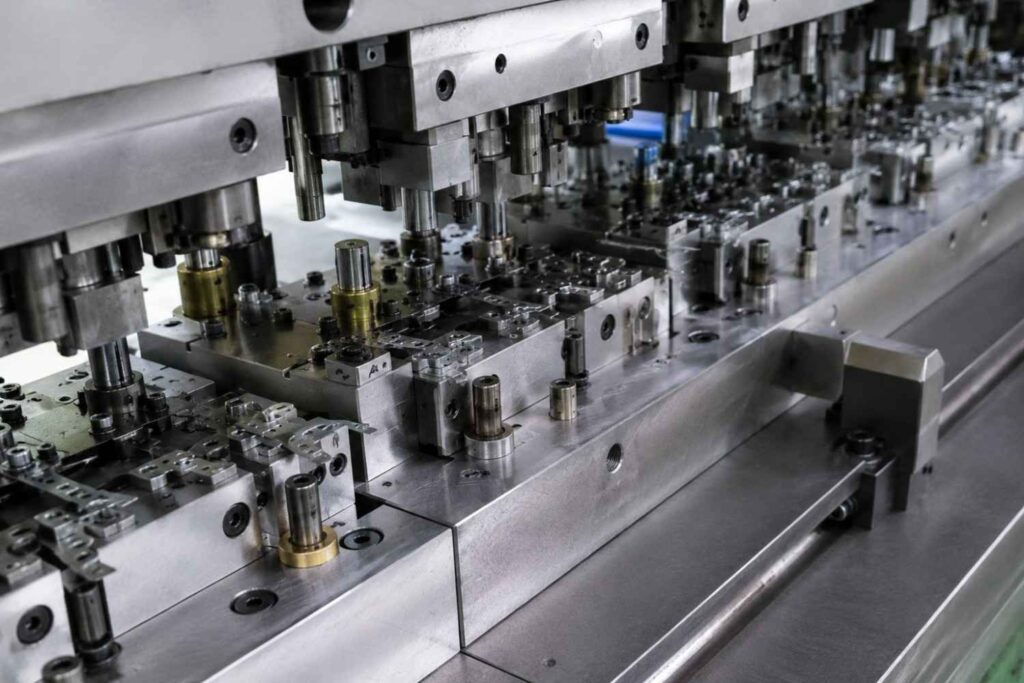
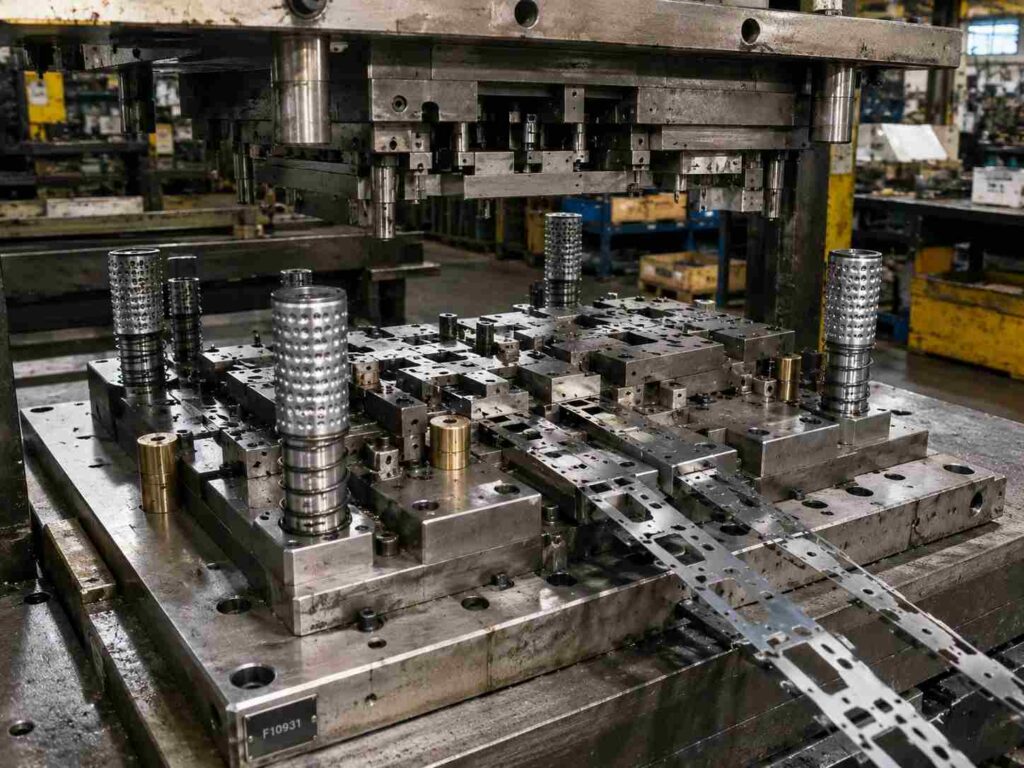
Stamping dies manufacturing: custom metal stamping dies produce high-volume precision parts to ±0.002mm for automotive, electronics, and medical. Stamping dies manufacturing is the engineering discipline of creating precision tooling that transforms flat metal coil stock into finished components through high-speed mechanical presses. Custom metal stamping dies combine progressive die design, precision machining of tool steel

Stamping Dies Manufacturing: Custom Dies for OEMs Read More »

Microelectronics Injection Molding

Microelectronics Injection Molding: Precision Micro Molding for Tech OEMs

Precision microelectronics injection molding service for global tech OEMs. Learn how micro injection molding delivers tight-tolerance electronic components with IATF 16949 certified quality. Microelectronics components continue to shrink in size while demanding ever-tighter tolerances and higher production volumes. Microelectronics injection molding has emerged as the preferred process for producing precision plastic parts used in consumer

Microelectronics Injection Molding: Precision Micro Molding for Tech OEMs Read More »

How to Prevent Flash, Warpage & Sink Marks

How to Prevent Flash, Warpage & Sink Marks

  For automotive, medical device , and consumer electronics producers, injection molding defects—flash, warpage , and sink marks—are not just annoying surface issues. They can become direct risks to part performance, assembly matching, and even regulatory needs. The Society of Plastics Engineers (SPE) says roughly 35–40% of plastic part rejections in high-volume production trace back

How to Prevent Flash, Warpage & Sink Marks Read More »

Complete Plastic Shrinkage Chart

Complete Plastic Shrinkage Chart (ABS, PC, PA66, POM)

When selecting engineering plastics for injection molding, shrinkage rate is kinda the most critical dimension control thing, like really. ABS gives the most balanced shrinkage overall with solid dimensional stability , so it is often the best pick for precision enclosures. The PC usually delivers tight tolerances with a moderate shrinkage , which makes it

Complete Plastic Shrinkage Chart (ABS, PC, PA66, POM) Read More »

OEM Tooling Manufacturer Export-Ready Dies & Molds

Export-Ready Tooling & Dies: OEM Manufacturing for Global Supply Chains

An OEM tooling manufacturer kind of builds, custom stamping dies , injection molds , and also tooling spare parts, based on what a customer specifies for use inside that customer’s own production line s. Stamping dies are the go to for high volume sheet metal parts shaped by press force ; injection molds work best

Export-Ready Tooling & Dies: OEM Manufacturing for Global Supply Chains Read More »

precision injection molding

Calculating Plastic Injection Molding Unit Costs: Complete Pricing Breakdown

Calculate injection molding unit costs, you can use this formula, like… Unit Price = Material Cost + Processing Cost + (Mold Cost ÷ Total Parts) . In general Material cost sits around 20–50% of the per-part price, while processing is maybe 30–60% . Mold amortization is kinda the big deal at low volumes, because you

Calculating Plastic Injection Molding Unit Costs: Complete Pricing Breakdown Read More »